




All Bowing articles – Page 2
-
 Premium ❘ Feature
‘Free and ringing, never forced’ - Technique: Developing bow control for improved tone
Violist Martin Outram on mix of exercises to help you draw out sound actively and attentively with the right hand
-
 Premium ❘ Feature
Technique: Smooth string-crossings
David Gillham, associate professor of violin at the University of British Colombia and string tutor at Domaine Forget, Quebec, Canada, on how to anticipate and execute string-crossings with maximum fluidity and control
-
 Blogs
Blogs5 insights on historically informed performance from The Strad archives
Whether you are an historically informed professional or just looking to expand your knowledge, we’ve pulled some interesting articles out of our archive just for you.
-
 Premium ❘ Focus
Technique: Speaking with the bow
Cellist Ophélie Gaillard on how to use language, vowels, consonants and inflection to colour and shape every phrase
-
 Focus
FocusThe Strad Podcast Episode #40: Naomi Yandell on teaching beginner bow holds
A must-listen episode for anyone flummoxed by the tricky concept of teaching new string players how to hold a bow
-
 Premium ❘ Article
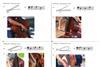
Beginning bow curves for double bass
Caroline Emery, professor of double bass at the Royal College of Music and Yehudi Menuhin School, UK; author of Bass Is Best and Bow Works demonstrates how to tackle string-crossings with four basic moves that should be taught from the outset. Taken from the September 2017 issue
-
 Focus
FocusTwo simple exercises for smooth string crossings
How to play controlled, smooth and seamless melodic lines
-
 Focus
FocusHow to achieve smooth bow changes at the frog
Former Juilliard School cello professor Bonnie Hampton answers advises readers on how to encourage smooth bow changes in their students. From 2011.
-
 Focus
Focus6 ways to improve your string crossing
Tips for even and seamless string crossing from The Strad’s archive
-
 Focus
FocusWhat is true violin legato?
In an exclusive video premiere, violinist Daniel Kurganov examines the art of legato and what violinists can learn from singers
-
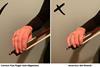 Focus
Focus5 Ways Isolation Causes Bow Arm Fatigue
Taubman Approach specialists Edna Golandsky and Sophie Till examine how proper alignment in the right arm can help eliminate tension and allow for fluidity when bowing
-
 Focus
Focus‘Arm weight, contact point and bow speed’ - How to create a full sound with musical intention
Bassist Christine Hoock shares examples of short pieces from double bass repertoire that can help players develop their sound and phrasing through balanced technique
-
 Focus
FocusDouble bass technique: Back muscles, weight, and flexibility in the right hand
How to get the most out of your body when playing the double bass, by Dan Styffe, principal bassist for the Oslo Philharmonic Orchestra and professor at the Norwegian Academy of Music
-
 Focus
FocusHow to play a chop groove with Casey Driessen
Fiddle player Casey Driessen offers exercises and audio examples on chop grooves to accompany his Technique article in the December 2021 issue
-
-
 Premium ❘ Feature
Spiccato and sautillé - two important bow strokes which are often confused
Making the bow come off the string is a delicate art. Rok Klopčič looks at various approaches in this investigation from May 2004
-
 Premium ❘ Feature
Bow hold: Gripping times
From the awkward grips of the past to the relaxed approach of today, the bow hold has come a long way. Globalisation has a lot to do with it, argues John Krakenberger in this feature from February 2003
-
 Focus
FocusThe rhetorical nature of Baroque music: learning to speak with the bow
Walter Reiter discusses how the rhetorical narrative in Baroque music must be reflected in how players use the bow, illustrating the parallels between spoken word and string playing
-
 Focus
Focus7 bow hold insights from historical string players
The way of holding a bow is a topic of endless discussion. Here is what seven influential string players of the past had to say about it
-
 Focus
Focus‘A complete workout for the bow’ - violist Patricia Pollett’s study of choice
In this extract from 2012, viola professor at the University of Queensland Patricia Pollett shares why Ševčík’s op.2 no.5 allows players to focus on a variety of bowstrokes, and why it’s more difficult than it looks
- Previous Page
- Page1
- Page2
- Page3
- Next Page