




Discover more Featured Stories like this in The Strad Playing Hub
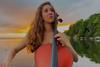
Taking the phrase ‘al fresco performance’ to – literally – new levels, is Gautier Capuçon’s video of Sequence for Gaïa by Max Richter.
The project coincided with the United Nations International Year of Glacier Preservation, with Capuçon intending to raise awareness on the need to protect the environment. On a personal level, it tied with Capuçon’s connection to Maurice Baquet (1911–2022), the French cellist and actor who was also a member of the 1936 French Olympic ski team.
Capuçon had wanted to make the expedition for ten years. Three earlier attempts in previous years had been cancelled.
The video was shot in the epic landscape of the Mont Blanc massif mountain range in the French Alps. Bertrand Delapierre, the director, shot the entire video entirely with cameras and drones, with no helicopters involved.
It’s no surprise that shooting a music video in such a remote location was logistically complex. The shoot was divided into two parts and carried out with a deliberately minimal crew for safety. This comprised executive producer Danuta Pieter as chief of expedition, mountain guides François Pallandre, Michel Fauquet and Emile Pallandre, sound engineer Laurent Mollard and Delapierre.
The shoot was divided into two parts: to capture the shots of Capuçon skiing, an expedition took place in early May 2025, which involved long stretches of walking and skiing in cold, windy conditions.
Part two, which captured footage of climbing and ziplining, took place later in the month, where the team travelled by cable car to Aiguille du Midi, reaching nearly 4,000 metres of altitude.
The final video is synced to the playback audio, yet Capuçon is actually playing in the shots – and, unsurprisingly, on a ‘stunt’ cello (not his precious 1701 Matteo Goffriller cello!)
This posed a challenge in freezing temperatures, with numb fingers and a constant risk of dropping the bow. Additionally, Capuçon said the most challenging parts of the shoot were the headache-inducing altitude and the physical strain. He carried the cello at all times throughout the shoot (including the scenes of him skiing with the instrument in its case on his back) which required strict attention to the guides’ instructions and full trust in the team.
The jaw-dropping zip-line scene was set up by two guides the day before the shoot, using a single rope. While Capuçon isn’t afraid of heights, he did spend around three hours on the line, and admitted he was more anxious hoping the zip-line would not collapse! He trained specifically for the scene in January in the south of France.
There was very little time available for the shoot, with contingency plans in place in case of any major weather events. ’Nothing was left to chance,’ said Pieter.
’We carefully considered every technical and artistic detail so that, when the day came, we would be perfectly prepared and ready to face whatever the wild mountain environment would inevitably have in store for us.’
Gaïa is out now on Warner Classics. Capuçon spoke to The Strad about the album in the December 2025 issue Session Report.
Read: Rethinking the Partitas: an experience at Amare
Discover more Featured Stories like this in The Strad Playing Hub









No comments yet