




David Kettle hears the performance of Erik Chisholm, Frederick Lamond and Neil Mackay at the event hosted by the Edinburgh Society of Musicians on 14 February 2026
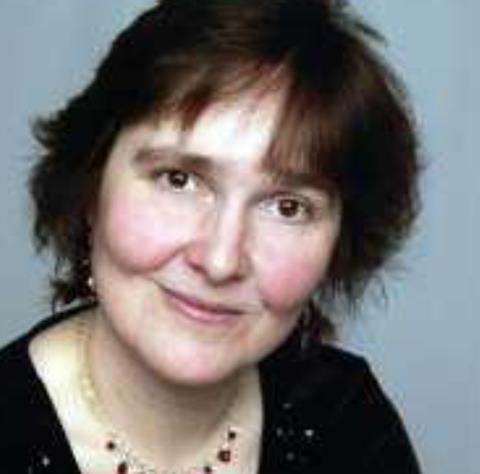
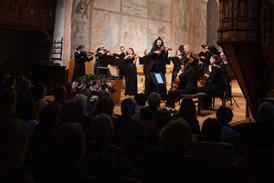
Personal passions can clearly lead to quiet revelations. In the intimate setting of Edinburgh’s historic Society of Musicians, cellist Veronica Henderson and pianist Elizabeth Mucha arguably shed more light on unheard Scottish music from the 19th and 20th centuries than the nation’s larger ensembles have done in months.
Erik Chisholm is probably the best-known figure among the featured composers: his Three Miniatures were big on character – played up nicely by Henderson and Mucha – and made no secret of their Caledonian influences, while Mucha clearly delighted in the big tune of Hert’s Sang, in a solo piano version by Ronald Stevenson. Frederick Lamond came from the generation before Chisholm, and his substantial 1889 Cello Sonata draws heavily on Brahms, though he takes pains, too, to exploit the cello’s widest range of sound, convincingly conveyed by Henderson. Born at the very start of the 20th century, Marie Dare and Isobel Dunlop were near-contemporaries, and their distinctive voices surely deserve broader recognition.
The evening’s most striking work, however, came from closer to our own times: Neil Mackay’s 1982 Scena was gritty and granitic, though darkly lyrical in its volatile conversation (or, perhaps, dispute) between the two players. It was given a passionate, deeply persuasive performance that never shied away from its thornier elements. You have to wonder how many other neglected gems there are out there, and how many more devoted performers such as Henderson and Mucha are needed to bring them back to our notice.
David Kettle







No comments yet