







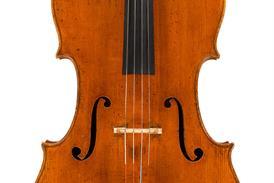
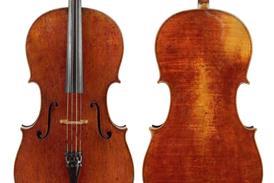
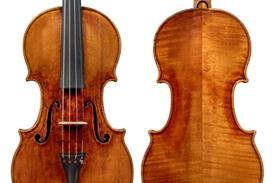





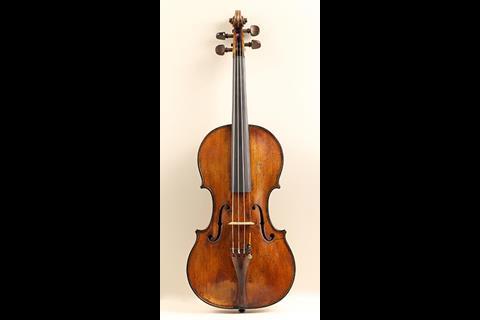
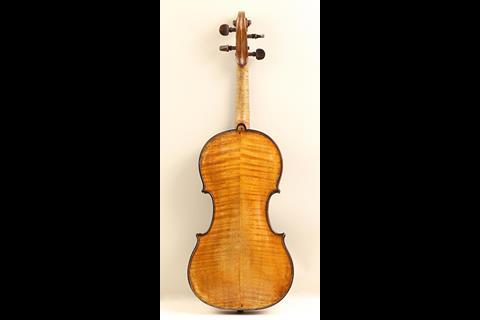
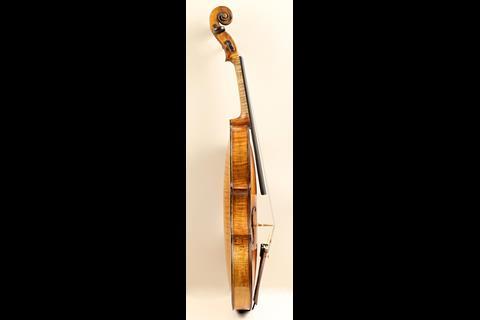
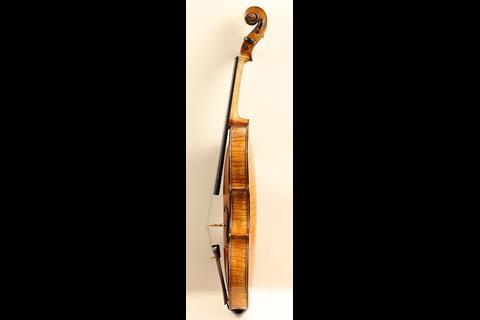
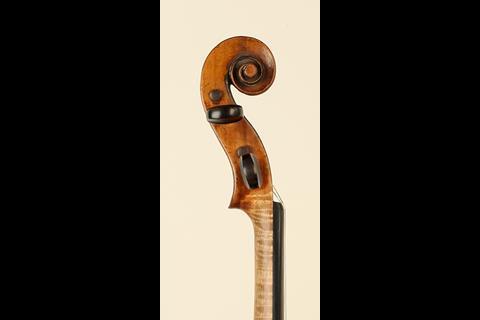
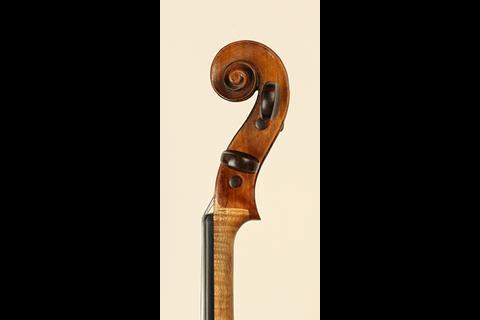
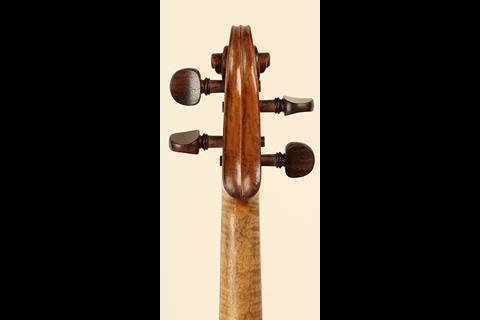
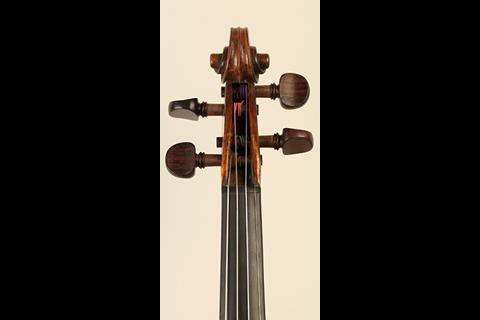
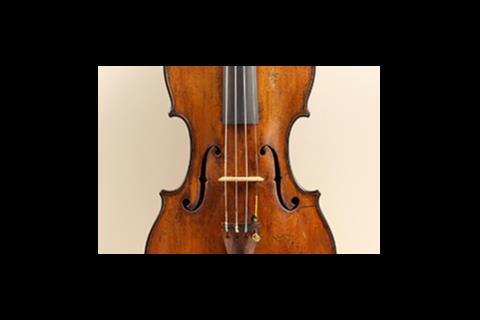
Inspired by a c.1760 Chappuy instrument, violinist and cellist Michel Lorge considers the reasons for an unusual stylistic quirk of 18th-century violin making
Discover more Featured Stories like this
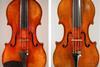
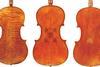
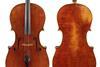
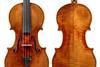
In the middle of the 18th century, a number of French violins were crimped with black edges. These have always fascinated me: I have never come across any such instruments, other than in French violin making of that period. Was it a fashion? Or a technical challenge for craftsmen? That seemed unlikely to me, given that the crimped instruments appear to date from different periods (the black borders may have been added to an instrument later).
Therefore, if it wasn’t a technical challenge, then perhaps they were violins for a period of mourning – or at least to present, especially in public, a sign of empathy and solidarity in relation to a period of great mourning at that time. It was the discovery of a 1765 Mirecourt violin crimped with ebony that sparked an idea in my mind. What was happening in France and in Lorraine around 1760–65 that was of such importance that in Paris and in Mirecourt an aspect of mourning was literally added to instruments? There are also many black-bordered violins made by Jean Nicolas Lambert, master of the Luthiers’ Guild from 1745 to 1746. But if that was the case, then who was being mourned? I set out to examine the doleful and dramatic events that befell France around 1760.
We are aware that etiquette in relation to the Crown at a time of mourning and widowhood was extensive and closely followed. This practice involved not only those close to the French Court but also sometimes extended to society and the entire country as royal and indeed national times of mourning. It was fitting for the aristocracy and bourgeoisie to relate to royal grief.
So what event might have provoked these funeral adornments on instruments?
Two deaths would appear to me to be relevant to the period in question, and notably important enough to justify such solidarity as a sign of mourning. On one hand, on 16 August 1765, the husband of the Austrian Empress Marie-Thérèse died in Innsbruck, and he was none other than François de Lorraine, Duke of Lorraine and Bar. On the other hand, in the same year, on 20 December 1765, it was the moment when the French Dauphin, Louis de France, son and designated successor to Louis XV, died in Fontainebleau.
Of the two funeral occasions, it seems to me that the death of the Dauphin de France was perhaps the more onerous event for French society in that period and it would account for signs of mourning on instruments. Besides, Lorraine was not yet part of France at that time. The Dauphin Louis died when he was only 36 years old and much appreciated by the French people, unlike his father Louis XV.
His death was an important event throughout the year following his death. His discretion, his fidelity in his marriage and especially his parsimony with public finance all distinguished him from his father. The Dauphin had clearly understood, unlike Louis XV, that the Court spent too much money.
At the death of his son the King decreed a long period of mourning: six months according to historians of that time. Music went quiet in the Court and it is said that everywhere in France, musical instruments were draped in black.
It is here that we might very conceivably look to the origin of ebony crimping on Parisian and French instruments. There was a desire, through politeness and decorum, to share the royal moment of grief. This may have permitted quite a number of musicians of that time to reappear in public while still expressing their sorrow. It is more than likely that older instruments would also have been retouched with black ebony.
Respect, compassion and solidarity in mourning are thus very possibly where this practice originated.
Special thanks to the Maison Bernard of Brussels for the pictures and the restoration of the violin by Matthijs Strick, and to Robert and Cécile Pearce for the translation of the original French text.
Photos: Ralf Leenen, Maison Bernard










No comments yet