





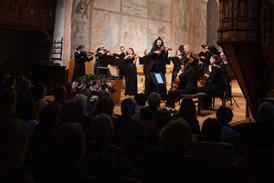




Hattie Butterworth visits London’s Wigmore Hall on 16 February 2026 for the recital of Mozart, Elgar, Ravel, Wieniawski and Bazzini
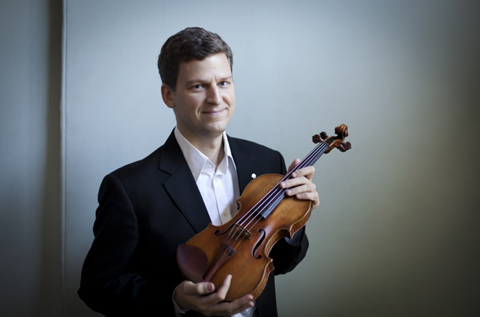
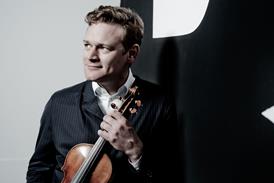
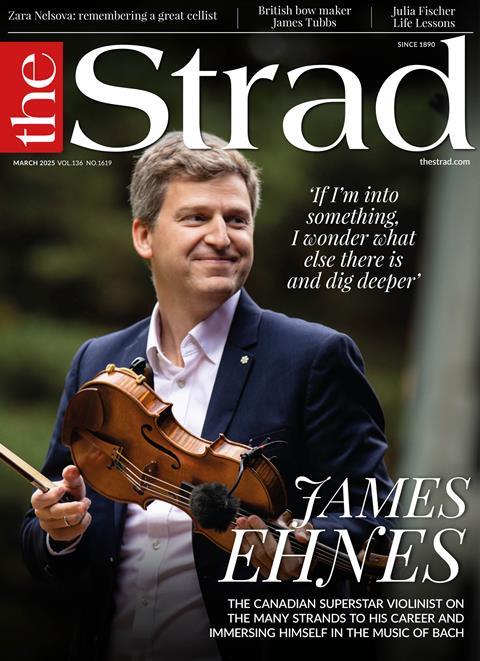
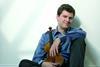
Canadian violinist James Ehnes will never not be a hit when he performs in London. Alongside his long-time collaborator, pianist Andrew Armstrong, a masterclass in assurance was at the heart of their Wigmore Hall recital.
In both the Largo introduction to Mozart’s Sonata in B flat major K454, and its slow movement, Ehnes showed remarkable control, often choosing to end phrases on a defiant up bow. Together, the pair gave the ideal sense of space and fun to Mozart’s bird-like passages, the third movement’s Allegretto skipping along with fantastic control.
To Elgar’s Violin Sonata, Ehnes brought out both the detailed and wider structures of the work’s movements, opting for a desolate pure tone in the first movement’s arpeggio section and widening out to fill in the composer’s expansive emotions. Armstrong was behind every note of Ehnes’s, together communicating each movement’s geography with total security.
It was in the Ravel Violin Sonata no.2 that the pair perhaps best demonstrated their true compatibility. Ehnes’s near-forensic tuning allowed the first movement’s tonal battle to be particularly acute and uncomfortable. The second movement was a perfectly smoky affair and the finale’s Perpetuum mobile was played up by Ehnes with comical coolness about the way his bow skated around.
With a second half of just 17 minutes, this meant Ehnes could bring out some of his favourite encores – among them Wieniawski’s Scherzo-tarantelle and The Dance of the Goblins by Bazzini. Had Ehnes practised the minutiae of some of these shifts and intervals? Probably not, but it didn’t matter, with his youthful soul and flair utterly convincing.
HATTIE BUTTERWORTH
Watch: Violin techniques with James Ehnes: pizzicato
Read: I never practise scales and studies from books, says violinist James Ehnes
Read: James Ehnes: ‘You should never be scared of Beethoven’s Violin Concerto’











No comments yet