





Some beautiful playing is marred by a propensity for speed
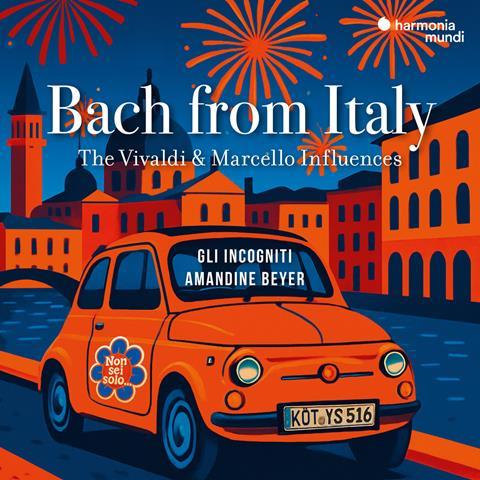
The Strad Issue: November 2025
Description: Some beautiful playing is marred by a propensity for speed
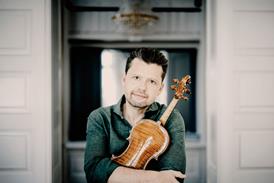
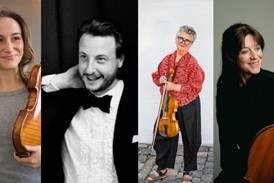
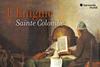
Musicians: Gli Incogniti/Amandine Beyer (violin)
Works: Bach: Brandenburg Concertos: no.3 BWV1048, no.4 BWV1049, no.5 BWV1050; Concertos: D minor for two violins BWV1043, D major for three violins BWV1064R, A major for oboe d’amore BWV1055R, C minor for oboe and violin BWV1060R. A. Marcello: Oboe Concerto in D minor. B. Marcello: Violin Concerto in E minor. Vivaldi: Concertos: D minor for two violins and cello RV565, B minor for four violins and cello RV580
Catalogue number: HARMONIA MUNDI HMM902769/70 (2CDs)
Rising global temperatures are regrettably being paralleled in historically informed performance by ever-increasing tempos, as amply illustrated in this programme displaying Bach’s debt to Italians such as the brothers Marcello and Vivaldi. No longer, it seems, does Allegro indicate ‘a cheerful, though not too hurried tempo’ (Leopold Mozart).
Instead, Amandine Beyer directs BWV1049’s opening Allegro at breakneck speed, opting for brilliance and exhilaration at the expense of clear definition of its challenging figurations; and the nine performers of BWV1048 sound like bees around a honeypot in their hasty reading of its finale. Similar criticisms apply elsewhere, notably in the outer movements of BWV1064R and RV565 and the breathless finale of BWV1043.
Slow movements offer welcome respite, particularly BWV1043’s fluid, lilting Largo, BWV1050’s intimate Affettuoso for the solo trio and the deftly interwoven violin/oboe dialogue in BWV1060R’s Adagio. And I cannot help but admire Beyer’s sparkling virtuosity in the finale of Benedetto Marcello’s E minor Violin Concerto and her fine cantabile with expressive ornamentation in its Adagio and the fourth movement of Vivaldi’s RV565.
Mention should also be made of the rich sonority, shapely phrasing and tasteful embellishment of Emmanuel Laporte’s oboe and oboe d’amore playing, especially in Alessandro Marcello’s concerto; Ana Fontana’s brilliant harpsichord contribution in BWV1050’s opening movement; cellist Marco Ceccato’s buoyant, articulative detail in RV565; and Gli Incogniti’s alert, polished support.
The recording’s instrumental balance, though, could have been better managed. Laporte predominates for example, in BWV1060R, Beyer similarly in RV580, the bass seems heavy in BWV1048’s Allegros and, along with the traverso in BWV1050’s finale, the solo flutes are often submerged in BWV1049.
ROBIN STOWELL







No comments yet