




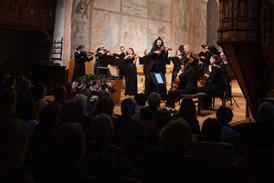



Janet Banks attends the performance at London’s Purcell Room on 18 January 2026, featuring music by Bartók, Weinberg, Laks and Bosmans
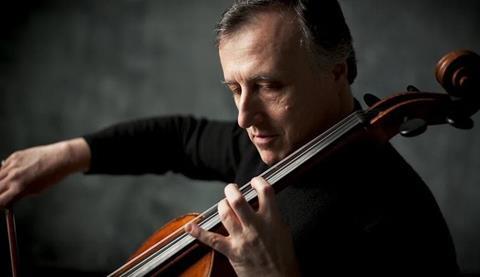
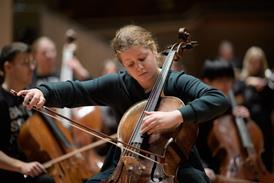
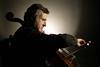
This Sunday afternoon concert was part of an ongoing project by Raphael Wallfisch, highlighting music written by composers exiled before and during World War II. Especially poignant was the presence in the front row of the cellist’s 100-year-old mother Anita Lasker-Wallfisch, who survived Auschwitz playing in the women’s orchestra.
There was a fascinating array of music, much of it seldom heard. Bartók’s self-imposed exile to the States was marked by his Rhapsody no.1, steeped in the folk music of the land he left behind and vividly characterised by Wallfisch’s forceful bowing, and charming little staccato double stops at the heel.
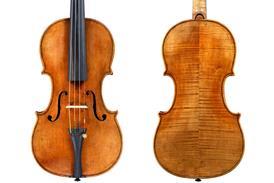
Wallfisch’s Vuillaume cello, introduced to us as an exile itself packed off to the US during the war, sang out with haunting intensity in the opening Adagio of Weinberg’s Solo Sonata. Some of the music was written before the shadows fell. The sonata by Simon Laks – director of the Auschwitz men’s orchestra – dating from 1930s Paris, featured a fashionably bluesy middle movement and a spiky Presto finale, its rhythmic interplay deftly managed.
The impressive A minor Sonata by Henriëtte Bosmans opened the second half in turbulent, heroic mode. Wallfisch used non-vibrato most effectively in the Adagio and there were piano fireworks from Callaghan in the Allegro con fuoco, although the cello intonation was sometimes not centred in the upper register.
The rich, velvety sound of Wallfisch’s C string was a pleasure in the Franz Reizenstein’s Cantilene which was followed by a committed performance of Martinů’s Second Sonata.
Janet Banks
Read: Raphael Wallfisch on playing the ‘Sheremetev’ Vuillaume cello
Read: Today’s string players forget they are telling a story, says cellist Raphael Wallfisch
Read: A day in the life of cellist Raphael Wallfisch — a son’s birthday tribute







No comments yet