








Edward Bhesania journeys to Barbican Hall, London, on 28 January 2026 for the recital of Schubert, Shostakovich, Brahms, Kreisler, Prokofiev and Tchaikovsky
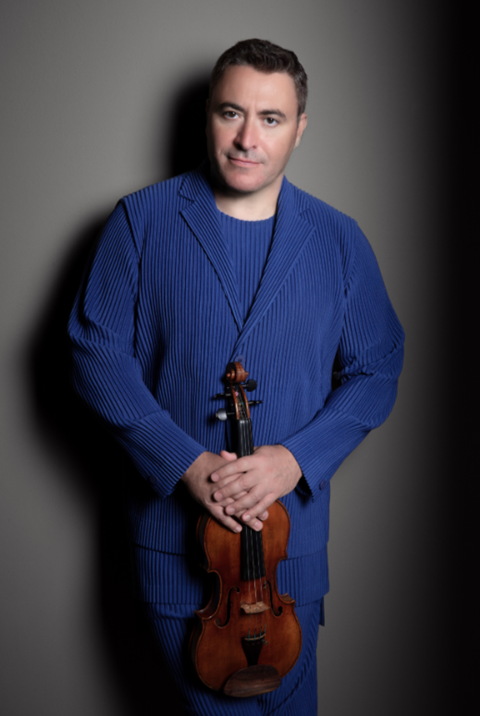
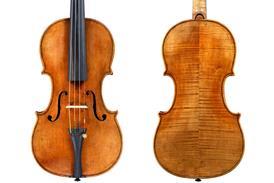
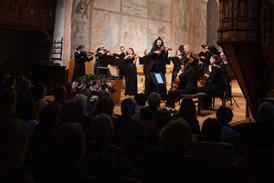
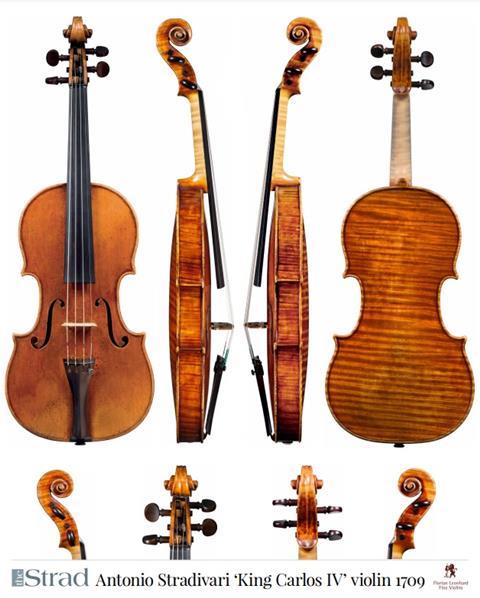
In the 2010s, a shoulder injury compelled Maxim Vengerov to pivot to conducting, but for over a decade now he has been back on the road with his trusty fiddle of nearly three decades, the ‘Kreutzer’ Stradivari. Judging by the capacity crowd at this Barbican recital, his popularity hasn’t waned.
Even in Schubert’s unprepossessing early Sonatina in G minor, D408, we heard those Vengerov hallmarks: fiery attacks, engaging characterisation of themes, rich, songful tone, even if his détaché bowing in the third movement’s scale passages might previously have been more precise.
In Shostakovich’s Violin Sonata op.134, the bare intensity of the first movement was followed by a weighty, tightly gripped Allegretto and by a final Largo of stark beauty – a brave note on which to end the first half.
The highlight of Brahms’s Third Violin Sonata was the old-school tonal warmth in the Adagio: succumbing to it felt like a guilty pleasure. If anything, that sound grew further (and with a little portamento, why not?) in Brahms’s Hungarian Dance no.17 in F major, the first of four popular encores.
After a couple of marches – Kreisler’s ‘Miniature Viennese’ and the more ironic one from Prokofiev’s The Love for Three Oranges, Romantic decadence returned in the ‘Mélodie’ from Tchaikovsky’s Souvenir d’un lieu cher.
EDWARD BHESANIA
Read: Maxim Vengerov: Me and my Strads
Watch: 18-year-old Maxim Vengerov plays Tchaikovsky
Read: ‘It’s always a reward to be on stage’ - Maxim Vengerov on 40 years of performance








No comments yet