












Edward Bhesania visits London’s Wigmore Hall on 22 March 2026 for the performance of Webern, Schoenberg, Schubert and Brahms
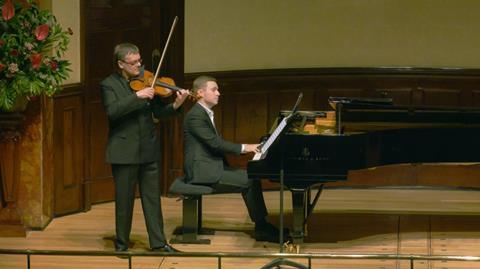
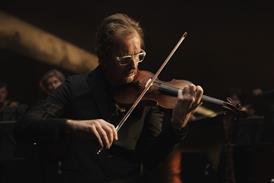
Frank Peter Zimmermann presented a thoughtful juxtaposition of the First and Second Viennese Schools in this recital with his recent collaborator Dmytro Choni, highlighting Vienna as the axis between tradition and revolution. In this performance revolution won out. In the first and third of Webern’s Four Pieces op.7 we heard the gentlest of enigmas contrasted with concentrated activity in the other two numbers. In Schoenberg’s Phantasy limpid gestures and formative melody were held in balance, as were grazioso and scherzando moods. The impression was of the piece being both tightly coiled and highly charged.
Schubert seemed to suffer, though. The unsettling wide-leaping opening theme of the Sonata in A minor D385, was played fairly straight and a relatively ungenerous sound in the second movement only emphasised its sprawling form. Zimmermann’s control was never in doubt in the Introduction and Variations on ‘Trockne Blumen’ from Die schöne Müllerin, originally for flute and piano, and there were fireworks – from Choni too – in the gushing fourth and fifth variations. The Hungarian dance Allegretto of Schubert’s Fantasy D934, was spirited enough, as was its joyous final dance. The first movement of Brahms’s Second Viola/Clarinet Sonata brought welcome lyricism as an encore, followed by a charming early D minor piece by Schoenberg, written while he was still a teenager.
EDWARD BHESANIA

















No comments yet