



The cellist and composer speaks to The Strad about her new work for two viola soloists and string orchestra, which she hopes will place the viola’s distinctive voice at the heart of the narrative
Read more Featured Stories like this in The Strad Playing Hub
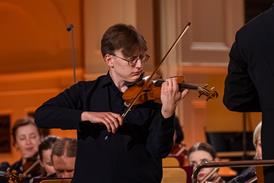
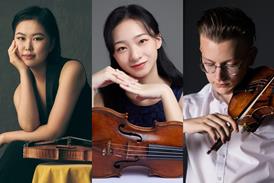
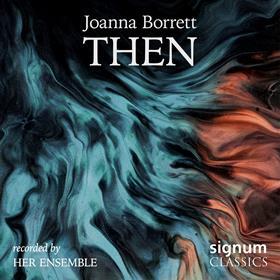
Composer Joanna Borrett’s new string orchestra piece Then is being released on 28 April on Signum Classics. The five-minute work features two viola soloists, Luba Tunnicliffe and Ting-Ru Lai.
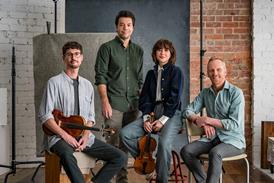
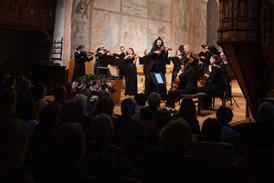
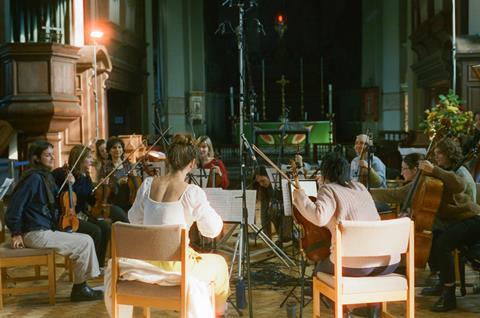
The UK‑based Her Ensemble accompanies the two soloists, sustaining a musical dialogue with them throughout the movement.
The Strad spoke to Borrett about the challenges of having a new work recorded, and why she loves the sound of the viola.
Why did you chose two viola soloists for Then?
As soon as I started writing the melody in Then it was viola sound that I had in my head. I felt that its unique qualities would make it the best instrument to express the vulnerability in the music. I chose two soloists, rather than one, because I wanted the music to have the intimacy of chamber music rather than the bravura of a concerto. My aim was for the piece to tell a story, and I felt that the varying textures of the soloists and orchestra would help achieve this.
What gave you the idea for the music in the first place?
Originally I started to compose a work for two violas and strings that had three movements. But the music got stuck mid way through the first movement – as things sometimes do – so I abandoned it.
Then, about a year ago, I heard Puccini’s beautiful piece Crisantemi and I loved it. Suddenly I realised that I could make the two-viola piece a single movement work with a clear sense of line. After that my ideas flowed easily and I composed Then very quickly.
Tell us more about the title, Then
I called the music Then – rather than Elegy or Lament – because I didn’t want to define the narrative too much. I hoped performers and listeners would think of the music as an expression of something that had happened to them, and that it would therefore make it more personal.
As a cellist yourself, what were the challenges of composing for viola?
It wasn’t straightforward. Of course the viola and cello strings are the same – so it’s fairly easy to work out how the music will lie under the hand. But the angle of the instruments and their characters are very different. So although I played the solo parts through on the cello several times to check how they felt,
I also sent the solo parts to violist Mathew Lee for feedback – and I played the viola and piano arrangement through with violist Sian Evans, all of which was tremendously helpful.
What inspires you about the viola?
I think viola sound can be magical and it’s a pity that it tends to be under exploited in the classical repertoire. I’m sure I’m not alone in thinking that.
Some of the most memorable moments in string orchestra music, for example, are those where the viola unexpectedly has a solo – such as the third movement of Holst’s St Paul’s Suite. The sound is so haunting that it could never be replaced by any other instrument.
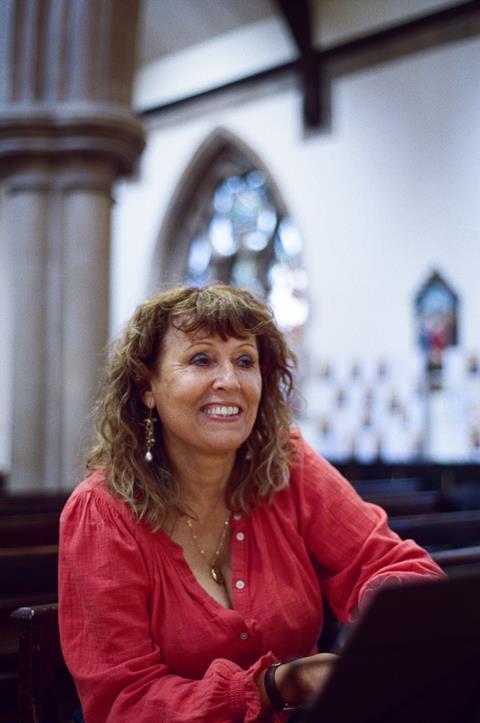
What is it like to have a work you have composed recorded for the first time?
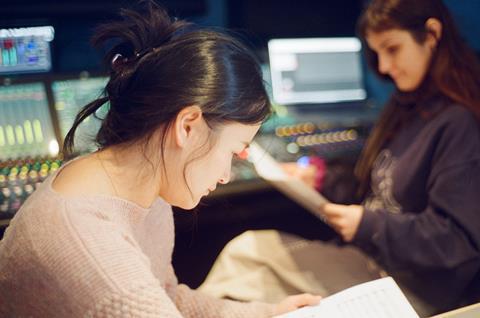
It’s a fairly new experience for me and I found it stressful – even though I had complete confidence in the performers and recording engineers. Before the rehearsals started I had only heard the music on the computer – so I wasn’t sure if any last minute adjustments would be needed. And listening to music I’ve composed being played live for the first time is very revealing.
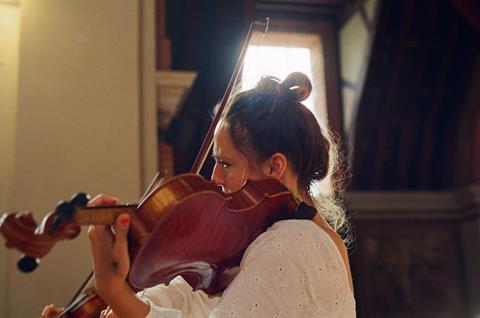
But the performers – Her Ensemble and viola soloists Luba Tunnicliffe and Ting-Ru Lai – were excellent. Ellie Consta is a brilliant director, Tim Oldham – the producer at Signum Classics – is very experienced, and St Jude on the Hill Church is an inspiring recording venue. All of that helped me relax a bit.
Have you composed other music for viola?
I’ve made viola arrangements of my cello pieces Clan and Five Lost Highland Tales ( a prequel to Clan). The fourth movement of Clan is now on Trinity College’s viola exam syllabus. And the viola parts in my string orchestra pieces Rebellion and Interlude – which are being released later this year – are substantial and have quite a few solos.
I would love to compose more for the viola in the future. It’s an instrument that definitely deserves a larger repertoire.
What are your hopes for Then?
I hope listeners will enjoy the music and that amateur and professional players will want to play it. To help with this I have made an arrangement of Then for viola and piano, and an arrangement for string quartet. All my viola music is available through my website: joannaborrett.com
Then is released on 28 April 2026 by Signum Classics and can be listened to on all digital channels. The string orchestra, viola and piano, and string quartet versions of Then are available at joannaborrett.com
Photos courtesy Isabelle Offer.
Read: Cellist Joanna Borrett: Can we revive the link between playing and improvising?
Read: Forgotten in HIStory: shining a light on female composers through the ages
Read more Featured Stories like this in The Strad Playing Hub










No comments yet