






The cellist chats with Davina Shum and looks back on how her major competition victory informs her career now, as well as what it was like to learn the competition’s imposed work in isolation
Read more Featured Stories like this in The Strad Playing Hub
‘What I remember most warmly is the atmosphere surrounding the performances - the attentiveness and warmth of the audience, and the opportunity to work with such inspiring musicians, conductors, and orchestras throughout the competition.’
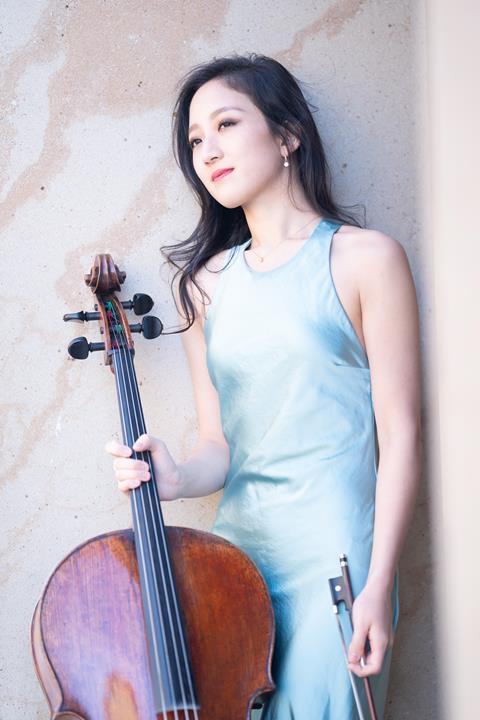
Four years on from winning the 2022 Queen Elisabeth Cello Competition, Korean cellist Hayoung Choi has established a busy international career. She has since appeared with LA Philharmonic, Baltimore Symphony Orchestra, Oregon Symphony, Deutsches Symphonie-Orchester Berlin, Antwerp Symphony Orchestra, Seoul Philharmonic Orchestra and Colorado Music Festival Orchestra, among others.
2022 was only the second iteration of the cello competition, the inaugural edition being held in 2017. Yet the competition itself has had a huge legacy already in the violin, piano and voice disciplines, with an incredible history of artistic prestige.
‘There was a shared understanding that the cello edition would also become very special over time,’ Choi says.
We chat just as the twelve finalists for the 2026 competition move into isolation at the Queen Elisabeth Music Chapel, where they have one week to learn the final round’s-imposed work, Four Odes to the Tidings of Flowers by Fang Man, as well as prepare their chosen concerto.
This is one of the most unique challenges of the Queen Elisabeth Competition. Candidates have no access to the outside world or technology, while they find ways to tackle a completely new work.
But perhaps the challenge presented some silver linings: ‘Spending one week without phones or electronic devices while learning a completely new concerto is something very unusual in today’s world,’ says Choi.
‘Everything suddenly felt much slower-paced compared to normal life, and in a way that became very beautiful.
‘At the Chapel, life was reduced to something very simple: music, nature, practice, rest, and concentration. At the same time, there was also an enormous amount of score learning happening every day, which made the experience extremely intense but also very stimulating artistically. Being completely immersed in music for that period created a kind of focus that is very rare in everyday life.
How does one navigate this sudden imposed simplicity? ‘I tried to approach the process step-by-step and not think too much about the overall pressure. Taking small walks outside and spending time in nature during breaks helped me stay balanced and clear-minded. In the end, I remember that week not only as intense, but also as very peaceful and meaningful.’
‘Spending one week without phones or electronic devices while learning a completely new concerto is something very unusual in today’s world’
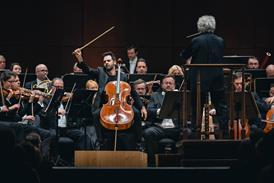
For her own-choice concerto in the final round, Choi opted for Lutosławski’s Cello Concerto – the only candidate to do so from the twelve finalists, who leaned into more traditional selections. She described playing this lesser-performed work with the Brussels Philharmonic as ‘unforgettable’ – with moments on stage that felt incredibly intense and meaningful.
‘I appreciated that the competition created the space for such individual artistic decisions and contrasting musical personalities to co-exist,’ she says.
‘I think that the balance between tradition and individuality is one of the things that makes the Queen Elisabeth Competition so unique.’
She also mentions the inclusiveness and welcoming nature of the competition. Candidates who progress deep into the competition end up staying in Belgium for several weeks, so it almost begins to feel like a second home. Choi cherishes the personal connections she made during the competition – including her host family of nearly two months: ‘The warmth and generosity they showed me throughout the competition is something I will always be grateful for, and we still remain very close today.’
So what’s next? Just last week, Choi returned to Brussels to perform Beethoven’s Triple Concerto with the Brussels Philharmonic, following an appearance with the Oregon Symphony Orchestra in Haydn’s Cello Concerto No. 1.
Her repertoire continues to span an exceptional range: this week she performs a Vivaldi Cello Concerto on baroque cello at the Dresdner Musikfestspiele, and next season she will further expand her contemporary repertoire with Unsuk Chin’s Cello Concerto, alongside numerous upcoming collaborations and projects.
‘I hope to continue exploring both well-known and lesser-known repertoire in the coming years.’












No comments yet