- News
- For Subscribers
- Student Hub
- Playing Hub
- Directory
- Lutherie
- Magazine
- Magazine archive
- Whether you're a player, maker, teacher or enthusiast, you'll find ideas and inspiration from leading artists, teachers and luthiers in our archive which features every issue published since January 2010 - available exclusively to subscribers. View the archive.
- Jobs
- Shop
- Podcast
- Contact us
- Subscribe
- School Subscription
- Competitions
- Reviews
- Debate
- Artists
- Accessories

Join us at Mondomusica Cremona, 2–4 October at Cremona Exhibition Centre!
Meet The Strad team at stand 269 and pick up your free copy of the magazine.
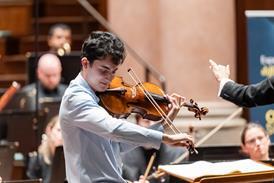
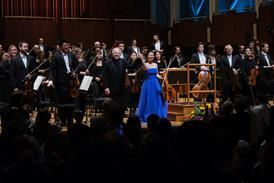
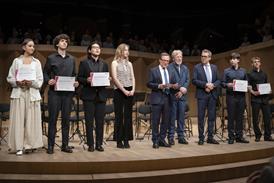

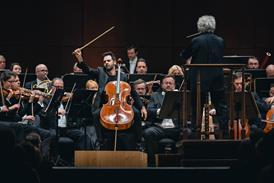
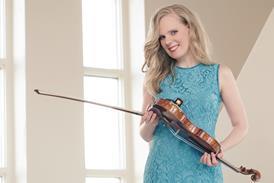


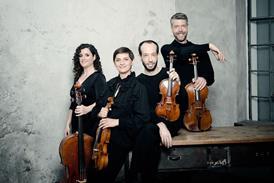

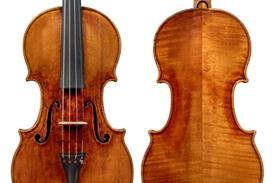

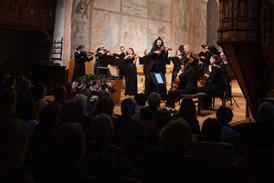



Chamber music in small spaces: music without boundaries

Chamber music has its roots in proximity and shared listening. As the genre increasingly migrates to large halls, Irina Rostomashvili explores what happens to musical intimacy – and speaks to fellow musicians about how connection can be preserved
Chamber music was never meant to be monumental. The term itself derives from the Italian musica da camera – camera being the word for ‘room’. In the late 16th and early 17th centuries, as instrumental genres began to emerge independently from sacred liturgical music, a body of repertoire developed for private spaces. These works were written for royal and aristocratic court chambers, salons and private homes, where listeners gathered as part of social and intellectual life. The audience was small by choice rather than by limitation, and music functioned as a means of connection within a defined community…
Already subscribed? Please sign in
Subscribe to continue reading…
We’re delighted that you are enjoying our website. For a limited period, you can try an online subscription to The Strad completely free of charge.
* Issues and supplements are available as both print and digital editions. Online subscribers will only receive access to the digital versions.
Keep informed