


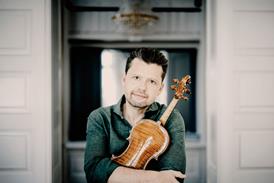




The violinist speaks to The Strad about playing a 1730 Guarneri ‘del Gesù’ violin for his eponymous new album, plus reflects on his challenges travelling with priceless instruments in the last year
Read more Featured Stories like this in The Strad Playing Hub
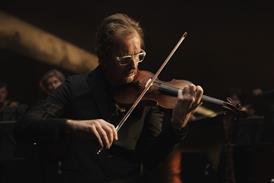
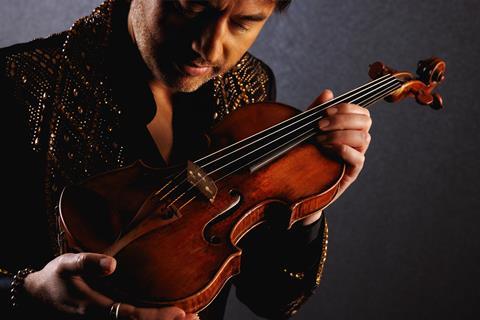
Australian violinist Patrick Roberts has released his latest album, Del Gesù, on Decca Australia. The recording is described as ‘a celebration of timeless masterpieces and a legendary instrument’, and features music by Hans Zimmer.
Roberts has curated a programme that honours both the enduring repertoire and the history of his instrument and its maker, with a portion of the album’s proceeds donated to The Salvation Army.
‘This album is dedicated not only to the timeless legacy of the music and the remarkable 1730 Guarneri del Gesù, but also to the spirit of compassion and service that music can inspire,’ Roberts says. ‘Through music, it is my hope to contribute to the meaningful impact they continue to make in the lives of others.’
Roberts made international headlines in 2025 when he was denied boarding a Transavia flight from Paris to Milan while travelling with a Stradivari violin. Although he was ultimately allowed on board with the Stradivari in a compact case, his spare violin was wrapped in bubble wrap and towels and held on his lap for the duration of the flight, while his bows were checked into the aircraft hold.
Speaking to The Strad, Roberts discussed the historic instrument used on his new album, his advocacy for safer travel conditions for musicians, and how Del Gesù represents a timeless dialogue between past and present traditions.
Tell us about your del Gesu instrument. How did you acquire it?
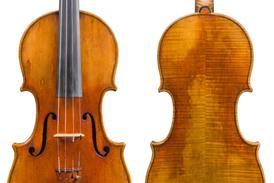
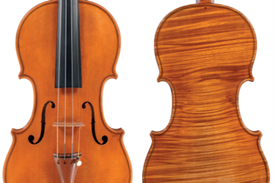
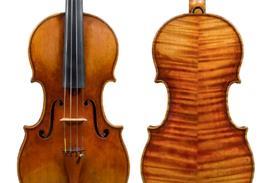
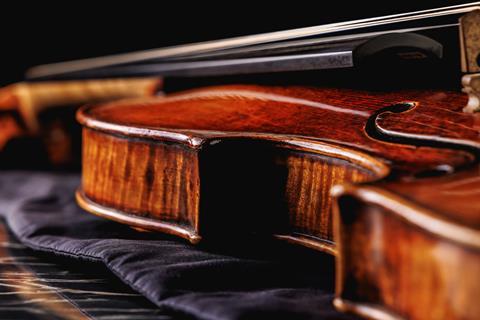
I recorded Del Gesù on an exceptional 1730 Guarneri ‘del Gesù’ violin, generously loaned to me by a private donor in London. Out of respect for the owner’s privacy, I’m unable to share the instrument’s specific nickname or identifying details, but it was a remarkable privilege to record with such a rare and historic instrument.
The opportunity came through conversations in London with respected figures in the violin world who believed this instrument would be a wonderful artistic fit for the project. After sharing my vision for Del Gesù, I was incredibly grateful to be entrusted with the violin for the recording process. It was a rare and humbling experience to spend time with such an extraordinary instrument.
Could you tell us about any particular quirks or characteristics the instrument has? How does this instrument compare to other violins you have played?
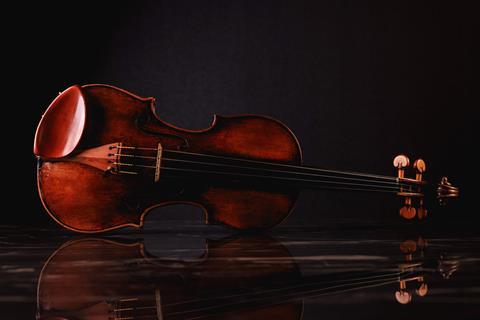
What struck me immediately was the instrument’s extraordinary warmth and immense projection, it has a richness and depth of tone that I honestly hadn’t experienced before. Even compared to some Stradivari instruments I’ve had the honour of playing, this 1730 Guarneri ‘del Gesù’ possesses a darker, more complex sound that feels incredibly powerful yet still very refined.
It seemed to respond exactly to what I wanted to express musically. There was a natural warmth in the lower register and a brilliance on the upper strings that projected effortlessly, which suited both my playing style and the crossover repertoire on Del Gesù. It felt like an instrument with a real voice and personality, one that elevated everything I played on it.
Since your issue travelling with Transavia last year, what measures are you now taking to ensure safe travelling with your instrument?
That experience certainly reinforced how important it is to be proactive when travelling with an instrument of this calibre. One of the biggest changes I’ve made is investing in a Musafia Enigma violin case, which offers exceptional protection and gives me real peace of mind whenever I’m travelling with the Guarneri ’del Gesù’.
I’m also very mindful about the airlines I choose. Whenever possible, I try to fly with premium carriers that have a strong track record of accommodating musicians and allowing instruments onboard without unnecessary stress. I’ve had some particularly positive recent experiences with Qantas Airways, who have been fantastic to travel with and have made the process very smooth.
Ultimately, travelling with a historic instrument requires careful planning, clear communication and doing everything possible to minimise risk.
How are you paying tribute to Del Gesù through your new album?
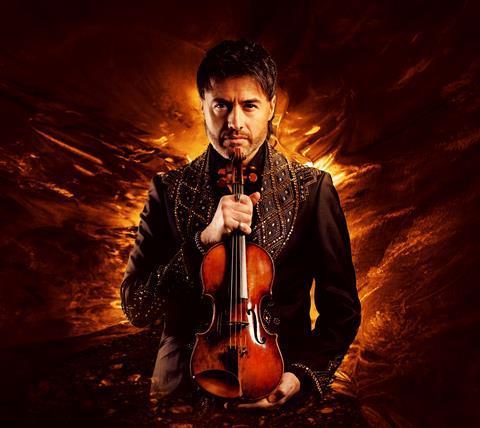
This album is my way of paying tribute to both the extraordinary legacy of Giuseppe Guarneri ‘del Gesù’ and the remarkable 1730 violin that inspired the entire project. When I first played the instrument, I was struck by how much history seemed to live within its sound, every note felt deeply expressive and full of character. It made me want to create a recording that honoured not only the violin itself, but the timeless music it was born to play.
That’s why I chose repertoire that spans centuries, from Bach, Vivaldi, Marcello and Fauré through to more contemporary works, including my special collaboration with Hans Zimmer on ‘Time’. I wanted to show how an instrument crafted nearly 300 years ago can still feel completely relevant and emotionally powerful today.
In many ways, Del Gesù is a celebration of craftsmanship, legacy and storytelling, both through the music and through the voice of this extraordinary violin. It also carries a philanthropic purpose through my partnership with The Salvation Army, which felt like a meaningful way to ensure the album gives back beyond the music itself.
Photos courtesy Achillles Prinos Photography.
Read: Two violas, one story: Joanna Borrett’s new work, ‘Then’
Read: Analysis May 2026: The European Parliament tackles airlines’ instrument policies
Read more Featured Stories like this in The Strad Playing Hub







No comments yet