







Bruce Hodges hears the performance of Prokofiev, William Grant Still, Clarice Assad, Quenton Blache, Jessie Montgomery, José White Lafitte, Ginastera and Ponce at Philadelphia’s Perelman Theater on 16 October 2025
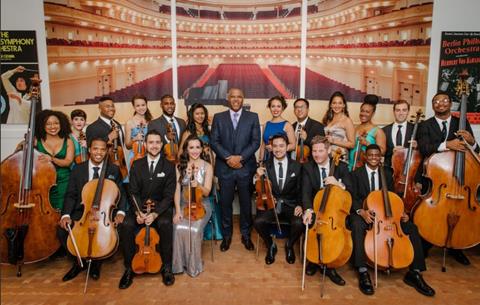
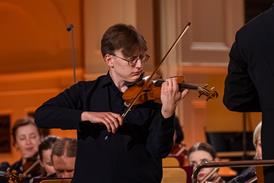
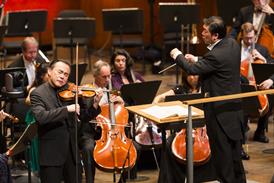
An indelible takeaway from this bracing evening by Sphinx Virtuosi – opening the Philadelphia Chamber Music Society’s 40th season – was watching a nearby mother with her son, maybe 7 or 8 years old and nattily sporting a bow tie. As both were engrossed in Rubén Rengel’s tingling arrangement of Prokofiev’s Piano Sonata no.7, the boy stood up to get a better view. This is how classical music fans are born.
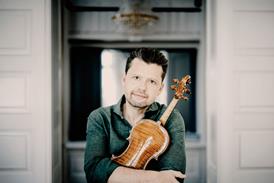
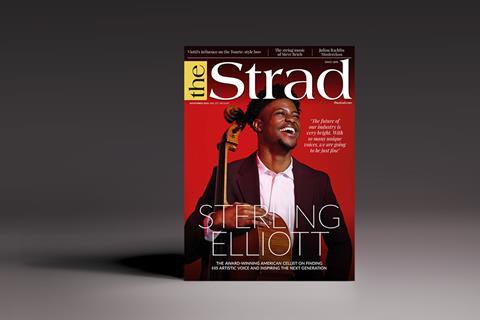
Rengel’s keenly drawn reimagining for 18 string players was one of the high points in this outing by one of the world’s great string orchestras. Another mountaintop arrived with Randall Goosby’s arrangement of William Grant Still’s Suite for violin and piano (1943), accented with finger snaps, and Sterling Elliott as the inspired cello soloist.
A gentle fine-tuning suggestion for the future: though verbal introductions to the works (by members of the ensemble) were not unhelpful, perhaps those prefaces aren’t needed for every piece. And by this stage, along with excellent printed notes, the group’s programming speaks for itself.
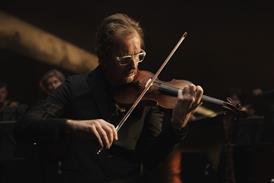
But back to the pluses: in two movements from Clarice Assad’s Impressions (2008), one of the violinists suavely stepped forward for an interlude with maracas. Cellist Quenton Blache’s stirring Visions of Peace and Jessie Montgomery’s Chemiluminescence made starkly different cases for the power of instrumental colour, and La Bella Cubana by José White Lafitte (1836–1918) was a nostalgic turn to open the evening.
To close came the bristling last movement of Ginastera’s Serenade for strings and, given the energy, I wish Sphinx Virtuosi had done the whole piece. But an encore left a beautiful aftertaste: Rengel’s lush arrangement of Estrellita by Manuel Ponce.
BRUCE HODGES
Read: Sphinx Organization: Change for good
Concert review: Sphinx Virtuosi
Read: Doubling down on the duo: violin reflections in ‘American Mirror’










No comments yet