









Bruce Hodges visits Philadelphia’s Marian Anderson Hall on 6 June 2025 for the performance of Shostakovich, Natalie Klouda, Saint-Georges and Mozart
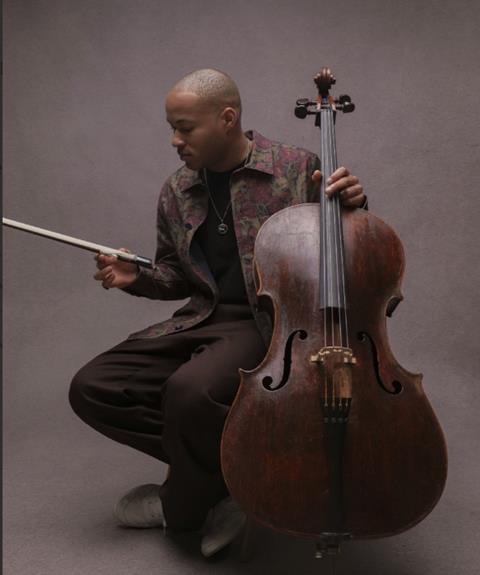
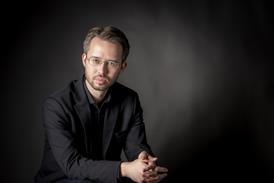
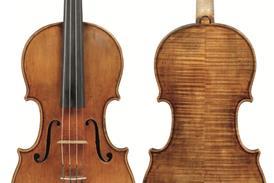
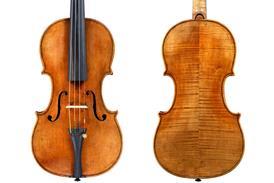
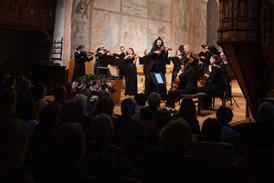
In this extraordinary afternoon, Sheku Kanneh-Mason showed yet again that his communicative gifts go far beyond the timbres of his Gofriller instrument. With Yannick Nézet-Séguin and the Philadelphia Orchestra at his side, and witnessed by a rapt, packed house, the cellist let Shostakovich’s First Cello Concerto speak in clear, sober tones with remarkable intensity. The sprightly, quizzical first movement was notable for the interplay with the French horns. In the impassioned second movement, followed by additional woodwind dialogue, the cellist produced silken harmonics to join with the celesta.
And then came the cadenza. With the conductor standing quietly — hands clasped, head bowed — Kanneh-Mason’s delicacy in probing the composer’s deepest emotions was abetted by a notably silent audience. Some of his pizzicatos were virtually inaudible, perhaps by design, to draw listeners in further. It worked. And the finale was no less engrossing for its conversational elements. Afterwards, with the entire house on its feet, the cellist offered Natalie Klouda’s pensive ‘Elegy’ from her Suite for Solo Cello (2017), which again had the audience cheering.
If this seemed an idyll, part of that effect was due to the savvy programming, surrounding the cellist with icons of vivacity. In the finale of Prokofiev’s First Symphony, taken very fast, the effect was largely due to the nimbleness of the violins. The afternoon began with Saint-Georges’s sunny Symphony no.2, and ended with Mozart’s ‘Haffner’ Symphony – both overflowing with effervescence.
BRUCE HODGES






No comments yet