







Philippa Bunting reads Pedro de Alcantara’s volume on boosting health for the curious musician, including some novel arm, wrist, hand and finger exercises for string players
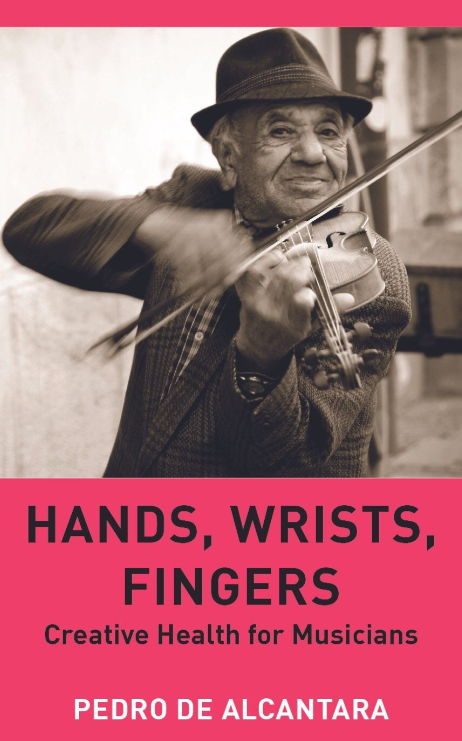
Hands, Wrists, Fingers: Creative Health for Musicians
Pedro de Alcantara
200PP ISBN 9781839994050
ANTHEM PRESS £80
Musician, writer and artist Pedro de Alcantara has during the course of a varied career written novels, poems, essays, and five previous books on musical pedagogy. Two are about Alexander technique, one about practice and two that lay some of the groundwork for this latest book: The Creative String Player (2018) and Creative Health for Pianists (2023). This is an author who has thought deeply about his chosen subject, and approaches it through a range of standpoints, informed by long study and knowledge of students of many different levels of experience.
Hands, Wrists, Fingers begins with a simple yet powerful question: ‘Are you in pain?’ The pages that follow address the question in myriad ways – all part of the approach the author calls Creative Health, defined as: ‘a way of paying attention….what you do, how you do it, and who you are as you do it […] Creative Health is all-encompassing: your dynamic response to everything that happens in your day and everything that happens in your musical life.’ And central to the concept of Creative Health are coherently organised hands, wrists and fingers.
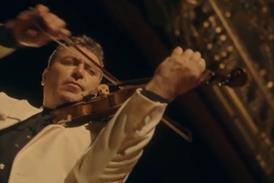
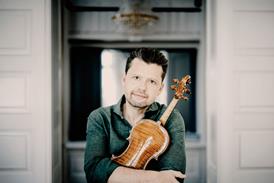
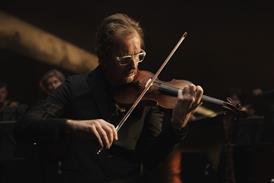
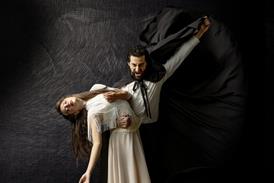
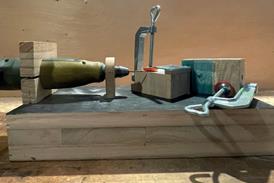
De Alcantara explores this fascinating subject using a range of practical exercises and prompts to exploration. Through sensitisation, play, reassurance, storytelling, humour, visualisation and improvisation, he charts a path to greater awareness, clarity and strength. This creative engagement with the stuff of music, and of the people who produce it in various ways, is further enhanced by a series of beguiling and thought-provoking photos that illustrate the text. There is also a collection of videos inspired by the themes of the book that can be found at bit.ly/4aQFNb1
While the book as a whole is designed to accompany musicians on a journey, it is not prescriptive about how that journey will unfurl for each individual: ‘Creative Health welcomes learning processes that include imitation, make-believe, bumbling along, and making indirect or intermittent progress. It also welcomes play for the sake of play, without obligatory progress.’ Along the way, readers are invited to assemble and interact with a large number of objects: paper, juggling balls, rubber bands, jars, sponges, ice cubes and candles to name a few, which they explore in a series of almost guided meditations, and then reflect upon in the context of their own creative practice.
‘This is a strange book – I’m the first to admit it,’ he says in the conclusion. If we take strange to mean unusual or surprising, it is surely true: a kind of strange that fascinates, then deeply moves.
PHILIPPA BUNTING


















No comments yet