












Hamed Erfani, Yasaman Seif and Hal Grossman outline strategies for musicians to keep their physical and mental wellbeing in check for optimum practice and performance

Read more Featured Stories like this in The Strad Playing Hub
’People take such wonderful care of their $40,000 violin or $10,000 flute – they need to take care of their bodies the same way’ – Richard Norris, physician and flutist.
Musicians can captivate us with their brilliant performances. They can amaze us with their technical feats or bring a heartfelt tear to the eye with their playing. It takes hours of practice for the musician to hone their musical and technical skills to craft musical phrases that can transport the listener. Behind the beauty of their music making, the musician logs in countless hours of practice. And those long working hours can bring on physical and psychological performance-related stresses.
A lot of musicians are not educated in the somatics of playing but training the whole musician with musical, physical and injury-prevention information should be the norm in teaching. According to a 2009 study conducted by Dr. Alice Brandfonbrener, a pioneer in musician’s health, among 330 incoming freshmen music students from four consecutive entering classes at an American university, a total of 79 per cent reported a history of performance-related pain.
Musicians as Athletes
Elite musicians and athletes share similar training routines: educated, consistent, and disciplined practice; a significant investment of time; and a strong drive to succeed are all essential ingredients for excellence. Yet, all too often, we music teachers encounter students who haven’t maintained regular practice. As a concert or lesson approaches, they fall into a cycle of last-minute, panic-driven rehearsals. This often leads to physical discomfort, and in some cases, fear and anxiety begin to overshadow the joy of making music.
But developing a regular practice schedule is not enough. It’s not just the notes, or the sound that musicians must attend to. It is also the physical movements engaged to make those sounds. Consider the following to optimise your practice regime:
Appropriate Motor Units
Developing new motor units is always challenging, but it becomes even more difficult when small muscles are involved and an external object is in the hands. According to the Muse Muscle Method, eleven integrated factors are identified for performing music: weight, separation, independence, unity, cohesion, stretch, coordination, delicacy, strength, pace, and concentration. Building the motor units required for all of them on the instrument seems almost impossible.
That is why athletes try to build the required motor units by engaging in other supplementing activities. As a result, one of the most important factors that must be addressed in music teaching, particularly in the early stages of learning an instrument, is the development of correct and tension-free motor units outside of the instrument and in natural body position before applying them to the instrument.
Complementary Techniques
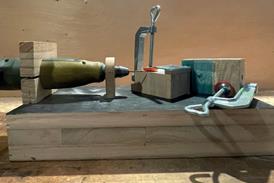
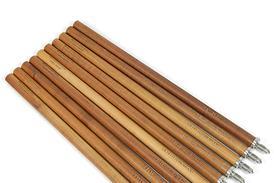
Increasing body awareness, monitoring movements, and employing complementary techniques that alert performers to bad habits they may be developing are crucial to every musician’s success. The Grossman Method©, Body Mapping, and The Muse Muscle Method (first introduced in Iran) train musicians somatically for injury prevention. Muse Muscle, in particular, utilises a variety of tapes and weights in different shapes, sizes, and arrangements to help musicians transfer off-instrument motor skills to their instruments with accuracy and without tension.
Body Coordination
Music lessons often concentrate solely on the hands and arms, overlooking the crucial role of larger muscle groups such as the shoulders, back, and chest. Engaging these larger muscles during performance can help reduce pain and the risk of injury, while also improving endurance. The Muse Muscle Method addresses this need by offering a series of whole-body exercises specifically designed for musicians. These exercises, when performed in the correct sequence with proper repetitions, rest periods, and breaks, teach musicians how to fully incorporate their bodies into the act of making music.
Warm-ups & Cool-downs
Warm-ups prepare the body, mind, and spirit for music making. On the physical side, warm-ups increase the blood flow to the muscles, encourage lubrication in the joints, and for singers, limber up the vocal mechanism. Mentally, they focus attention, and spiritually, they inspire excitement for music. If you do not warm up correctly enough, music making can become more challenging and will be prone to injuries since cold muscles are prone to fatigue and tearing. How many instrumentalists warm up or cool down before or after playing? This is crucial for musicians to prime the muscles for playing and stretch the muscles after playing. A few minutes before and after your playing session will have important results!
Breaks
Jorge Bolet, the famous pianist, says, ’I never solved a major mechanical or interpretive problem at the keyboard, only away from it.’ This insightful saying means that if there is a technical problem, blind repetition will not always solve it. Allow your mind to process by taking a break.
In his book The Musicians’ Way, Gerald Klickestein classifies breaks into three categories.
- Active Breaks: Rest your playing or singing muscles while remaining engaged with your music.
- Divertive Break: taking you out of the practice room to take your mind off what you’re doing.
- Restorative Breaks: resting or performing slight movements.
The proposed activities for Restorative Breaks could be extremely beneficial and may have a significant impact on the health of the performers who carry them out. They can assist the player in releasing unwanted tension and strain, correcting any unintentionally incorrect posture, and re-establishing their body’s natural weight for practice and performance.
Rest and Recovery
In sports training, the importance of rest and recovery is well established. Musicians, however, are sometimes hesitant to take even a day or two off, fearing lost progress. Yet rest is essential for both mental and physical well-being. Without adequate breaks, this fluid can become depleted, leading to friction between the tendon and its sheath, which increases the risk of injury.
Mindfulness
Musicians, in addition to practicing music, often engage in various activities that stress their hand, arm, and shoulder muscles, which can contribute to burnout. Artists juggle multiple responsibilities such as housework, office tasks, carrying children, and, on top of that, their regular practice sessions, all of which place additional strain on their muscles.
Stress and Anxiety
Janet Horvath explains in her book Playing (Less) Hurt that stress is the most visible external factor that has a daily impact on our physical and emotional well-being. Musicians, like other athletes, face intense psychological pressures as a result of their public performances. The immune system is activated during the stress response, which explains why chronic stress can harm the body if the immune system is overworked.
The immune system’s delicate balance is disrupted by chronic stress, causing the body to become more inflamed. Many musicians suffer from anxiety and depression, and Wristan and Fountain in 2013 discovered a strong link between anxiety and pain, as well as depression and pain. These mental factors can have a negative impact on the performer’s body.
Gerald Klickestein divides the effects of anxiety on musicians into three categories, each with its own set of symptoms. They can be classified as pre-performance, at-performance, or post-performance effects, with each having specific signs.
Organised personalised practice schedule by a special trainer/teacher
You are a dedicated practitioner – working through scales, arpeggios, and etudes before approaching your repertoire. But do you also allow time for essential elements such as rest, recovery, mental practice, and instrument-free warm-ups and cool-downs? To truly maximise progress and prevent burnout, a personalised, well-structured practice schedule is vital – one that includes not only technical exercises but also built-in rest, mental preparation, and attention.
To support meaningful and sustainable growth, music training must become more individualised. A routine that works well for one student may be ineffective – or even harmful – for another, depending on their body type, habits, and experience.
Meditation and Visualisation
’Practising is not forced labour; it is a refined art that partakes of intuition, of inspiration, patience, elegance, clarity, balance, and, above all, the search for ever greater joy in movement and expression’ – Yehudi Menuhin, violinist.
It is well understood that when the mind is out of balance, the body follows. Performing music requires a high level of mental awareness in addition to physical effort, so the importance of meditation for artists can be a useful tool. Additionally, visualisation (practising performing in various imaginary spaces) can mitigate nervous performers.
Specialised Healthcare Providers
Musicians typically have limited contact with trained performing arts healthcare professionals, according to studies by Tubiana (2000) and Guptill (2011). Establishing these connections and increasing accessibility can significantly improve musicians’ overall health and injury prevention. The presence of healthcare professionals at all levels will be extremely beneficial because they can assist students in avoiding incorrect motor units and bad habits in addition to correcting any errors that occurred.
CONCLUSION
Making music and playing an instrument are incredibly rewarding experiences. They provide both artistic expression and personal fulfillment. Musicians can sustain their careers and preserve their longevity as artists by adopting a holistic approach that includes somatic knowledge, mindful practice, a healthy lifestyle, and access to specialised care. Programmes like The Grossman Method®, Muse Muscle, The Alexander Techniques, Body mapping, and The Rolland Method help musicians organise that work into a bite-size curriculum of study.
Read: ‘At the end of the day, we are musical athletes’ – cellist Amit Peled
Read: String players and injury: playing through the pain?
Read more Featured Stories like this in The Strad Playing Hub













2 Readers' comments