
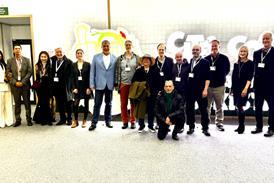













Discussions on the proposal by the Brazilian government to move the wood up to CITES Appendix I have concluded at the global environment summit in Samarkand
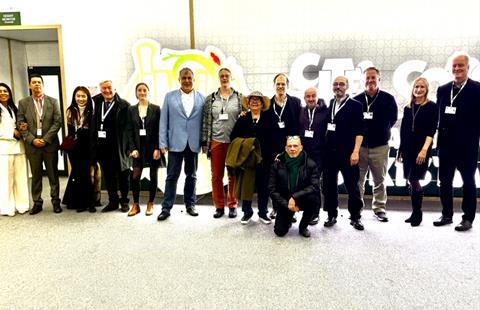
Bows for stringed instruments made from pernambuco will be subject to new rules as a result of decisions made at a conference of the UN’s Convention on International Trade in Endangered Species (CITES) in Samarkand, Uzbekistan. The conference, which ran from 24 November to 5 December, brought together representatives of more than 180 nations including the Brazilian government as well as musicians, bow makers and dealers. Among the many items considered was Brazil’s proposal for a complete ban on the international trade of pernambuco wood by uplisting it to CITES Appendix I.
Following days of intensive negotiations by a special working group, the talks concluded with a resolution that pernambuco would remain on Appendix II, but with several further restrictions designed to curtail the illegal trade of the wood. According to the revisions, musicians will be able to travel with pernambuco bows without permits when crossing borders for performances, repairs and other activities that do not result in a change of ownership.
However, international sales of existing and new bows will require specialised permits, to prove the wood was harvested before the species was first listed by CITES in 2007. These new rules are to come into effect internationally in three months’ time (4 March 2026). Only national CITES management authorities (such as, in the UK, the Department for Environment, Food and Rural Affairs) may issue CITES permits, and the buying and selling of bows within the same country will be unaffected by the new regulations.
In addition, it was agreed that global governments and musical instrument stakeholders will partner on actions to strengthen legal compliance, develop an identifying system for available wood and bows, and support a sustainable future for the species.

‘The new commercial trade requirements will have implications for makers, shops and musicians, as owners and consumers,’ said attorney John Bennett, who led negotiations on behalf of the Alliance of Violin and Bow Makers for Endangered Species.
‘This is especially true because of how long bows remain in trade and the considerable extent to which they are sold and resold internationally.’
The relevant annotation to the Appendix II listing since early 2023 read: ‘All parts, derivatives and finished products, except re-export of finished musical instruments, finished musical instrument accessories and finished musical instrument parts.’
The newly revised annotation, in full, reads: ‘All parts and derivatives, except finished musical instruments, finished musical instrument accessories and finished musical instrument parts for non-commercial trade only for the purpose of paid and unpaid performance, personal use, display, loan, competition, teaching, appraisal, or repair, provided that this does not change the ownership and that such transport is not for sale, transfer or disposal of the specimen outside of the owner’s usual State of residence. Zero quota for wild-harvested specimens (source code W) traded for commercial purposes.’
Read: Pernambuco: the worst-case scenario
Read: Making Matters: The consequences of a pernambuco ban
Read: The pernambuco wood dilemma: a call for global responsibility and unity












No comments yet