






A worthwhile project is let down by technical shortcomings
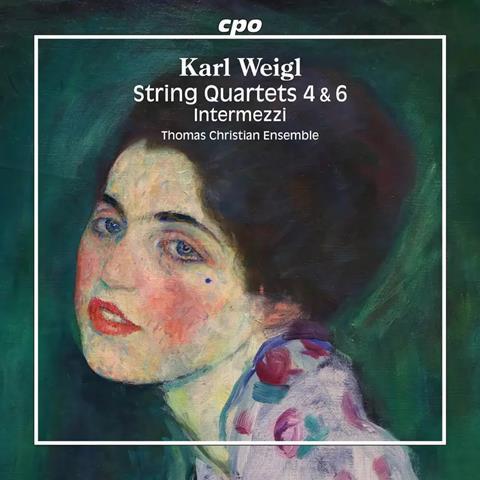
The Strad Issue: September 2026
Description: A worthwhile project is let down by technical shortcomings
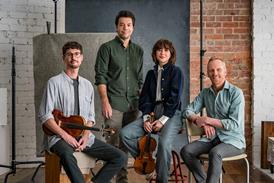
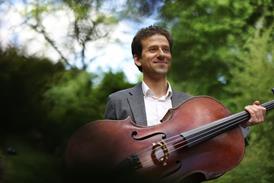
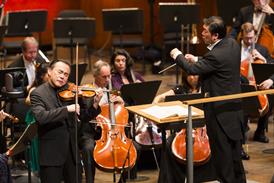
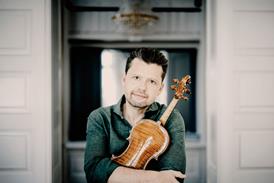
Musicians: Thomas Christian Ensemble, Christoph Wimmer-Schenkel (double bass)
Works: Weigl: String Quartets: no.4, no.6; Three Intermezzi for Strings
Catalogue number: CPO 555530-2
Like many Jewish composers leaving Vienna under the threat of Nazi occupation, the new life in America proved particularly hard for the Austrian Karl Weigl – all the more so as his initial training in Vienna alongside the likes of Berg and Webern promised much greater things.
Indubitably, Weigl boasts compositional fluency, well versed in late-Romantic harmony, combined with a contrapuntally robust style influenced by Brahms. In other words, he was avowedly conservative at a time when the Schoenberg school was throwing out the rule book. Sadly though, on the evidence of this release, his music seems bereft of really distinctive ideas.
Perhaps the Three Intermezzi written in 1941 in America is the most convincing and approachable work here. The rhythmic ideas in the central Capriccio are light and catchy, belying any suggestion that Weigl’s life as an émigré was particularly tough. The performance is refined, and the inclusion of double bass adds a welcome warmth to the texture.
Unfortunately, the two quartets are far less satisfactory. Weigl’s propensity for writing stratospherically high violin lines requires a much more sophisticated approach to intonation than is found here, and the ensemble as a whole is not as finely honed as you would expect given the stellar standards of quartet playing today. The project to highlight Weigl in the light of the cultural environment of Austrian music in the late 1930s is historically interesting, but musically disappointing.
JOANNE TALBOT
Review: Thomas Christian Ensemble: Bittner
Review: Marx: Quartetto in modo antico, Quartetto in modo classico, Quartetto chromatico
Review: Brahms: Two Viola Sonatas op.120. Hindemith: Viola Sonata op.11 no.4. Weigl: Viola Sonata op.32








No comments yet