









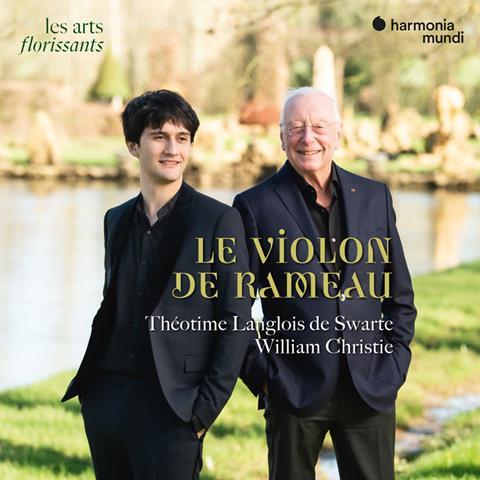
Two early-music stars from different generations prove compelling
THE STRAD RECOMMENDS
The Strad Issue: October 2026
Description: Two early-music stars from different generations prove compelling
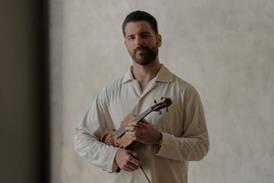
Musicians: Théotime Langlois de Swarte (violin) William Christie (harpsichord/organ)
Works: Music by J. Aubert, L. Aubert, Bordet, Branche, Cupis, Exaudet, Rameau and Tarade
Catalogue number: HARMONIA MUNDI HAF8905408
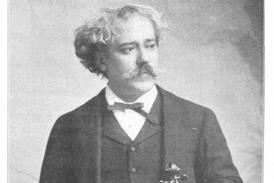
Inspired by Aved’s portrait of Rameau seated with violin in hand and bow alongside, this enterprising programme celebrates the violin’s significant role in his operas and ballets. Following Rameau’s own recycling practices, it comprises transcriptions of selected operatic airs (sourced from late 18th-century copies by Decroix), excerpts from dance suites and music by composers in his circle.
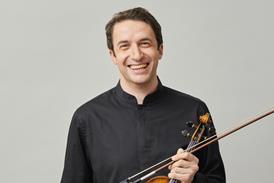
In this crystal-clear and generally well-balanced recording, Théotime Langlois de Swarte and William Christie (see last month’s Session Report) convey the character and charm of this music with authoritative period technique (plus some modern touches!) and style. Arrangements from Rameau’s Les Indes galantes provide their programme’s spine, including energetically executed rigaudons, tambourins and the chaconne ‘Les sauvages’ and effective organ contributions in the ‘Musette en rondeau’ and vivid storm depiction.
Among other Rameau highlights are the canon on ‘Avec du vin, endormons-nous’, a sleep scene (Dardanus), sailor songs (Hippolyte et Aricie) and the expressive ‘L’amour va prendre Apollon’ (Les Fêtes d’Hébé).
Louis Aubert’s Sonata op.1 no.3 admirably demonstrates this duo’s close interaction, especially its freely executed, richly ornamented prelude and its two graceful ‘Arie’. Cupis’s ‘Tambourin’ (Sonata op.1 no.6), Jacques Aubert’s ‘Gayement and Double’ (Suite op.27 no.3) and Tarade’s virtuoso variations ‘Les Sauvages …’ are exuberantly dispatched, contrasting sharply with an atmospheric reading of Bordet’s air ‘Rossignol dont le doux ramage’.
ROBIN STOWELL








No comments yet