













Janet Banks reads Sheku Kanneh-Mason’s first book, which covers everything from his early years in Nottingham to his public comments about Rule Britannia!
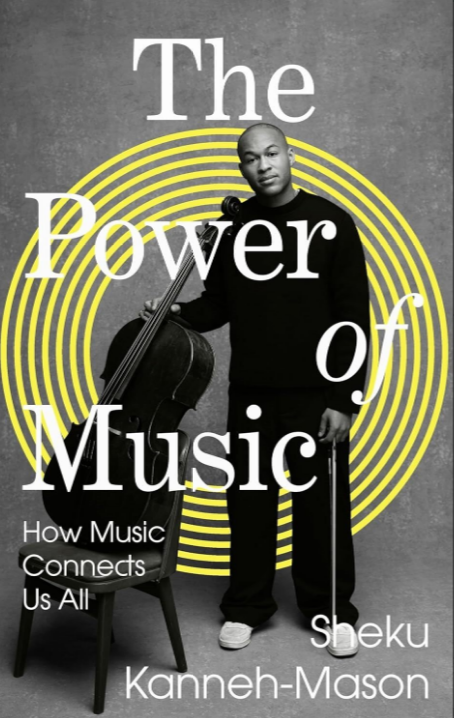
The Power of Music: How Music Connects Us All
Sheku Kanneh-Mason
226PP ISBN 9780241561324
Penguin Viking £16.99
Twenty-six is quite young for a performer to write their first book, but then Sheku Kanneh-Mason’s rise to stardom has been far from ordinary. The facts that he went to state schools, is part of a family of seven musically gifted children and, above all, that he is black, all make his story unusual. In his book he comes across not only as deeply thoughtful and articulate but also as a man with a mission to arrest the decline of music in state education.
His descriptions of early music making at home, especially of the family concert in the hallway of their home each Sunday afternoon, are cheering to read, as is his delightful linking of the worlds of football and cello: ‘Lunging through a slide… to hit a high note was very much like doing a slide tackle to kick a football and involved risk and precision in perfect balance.’
Kanneh-Mason is full of praise for his state primary school in Nottingham, where ‘music ranked equally with maths’ and there were regular concerts giving him and his siblings a chance to share who they were outside school with their schoolmates. He also names Trinity School, where he both played in the steel pans band and won BBC Young Musician, as key to his success. Poignantly this school’s outstanding music provision later declined, moving him to use his £3,000 prize money to fund a cello teacher there.
Kanneh-Mason’s reflections on making classical music less elitist, the importance of competitions, what effect being the only black family at a classical concert had on him and the racism he encountered after his public comments about Rule Britannia! all make thought-provoking and interesting reading. At the end of the book he acknowledges his mother, former English lecturer Kadiatu Kanneh-Mason, as an important sounding board and close collaborator on the book.
Despite the fact that one significant howler – attributing to Elgar a son who was killed in the First World War – somehow slipped past the fact checkers, this is a heartwarming, challenging and beautifully written book.
Janet Banks









No comments yet