














After Storm Fern buried New York in its heaviest snowfall in years, sub‑zero temperatures put both musicians and their instruments to the test. Davina Shum asked musicians how they protect their instruments – and fingers – when temperatures drop.
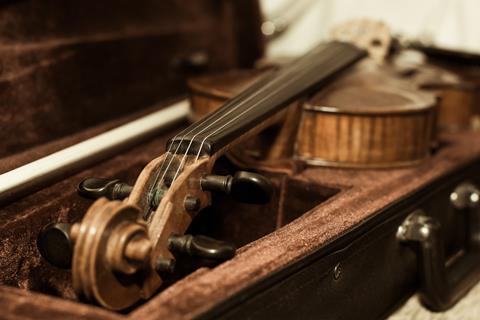
Read more Featured Stories like this in The Strad Playing Hub
I’m in New York City just days after Storm Fern dumped an unprecedented amount of snow along the US East Coast. Experiencing the sub‑zero temperatures first‑hand – from glittering walks through Central Park to cars buried under towering drifts – made clear how dramatically the region’s worst snowstorm since 2021 disrupted daily life.
Naturally, it got me thinking about how string players cope not only with the cold, but with the abrupt swings between the frigid outdoors and the (often overly) heated indoors.
Here’s how several artists from the Chamber Music Society of Lincoln Center weathered the past week – and the strategies they rely on to keep their instruments healthy in winter’s extremes.

Sterling Elliott, Bowers Program cellist
It is tough to deal with such a sudden change of temperature, particularly if you’re going from outside to indoors.
Commuting can already be difficult with the cello. The other day when I was coming home on the day of the big snowstorm, the roads were so trashed that I couldn’t take a car, so I had to take a train. I was waiting in the subway, and I thought I heard a knock on my case. I thought, did water fall on my case? Maybe I’m going crazy. But when I got home, I literally only had one string on the cello. I can’t believe the bridge didn’t fall or even move!
I have a custom-made, thick silk cloth, which I had made for me years ago when I was going to a competition with extreme windchill conditions. I find it helps insulate the instrument a little bit. I have four two-way humidifier control packs in my case, which are quite effective. I’ve had Bluetooth barometers in my case and it keeps the humidity around 50 per cent.
Matthew Lipman, viola
I have a case humidifier that’s really good at keeping inside the case at 50 per cent humidity. So whenever I take my viola out of its case, it sounds amazing – but then over the course of 30 minutes, it dries out and starts sounding worse and worse. However, then I put it back in the case and it gets happier.
I also humidify my apartment. I put my humidifier on full blast on the highest setting, and because it’s so cold and dry, it doesn’t even go above 30 per cent.
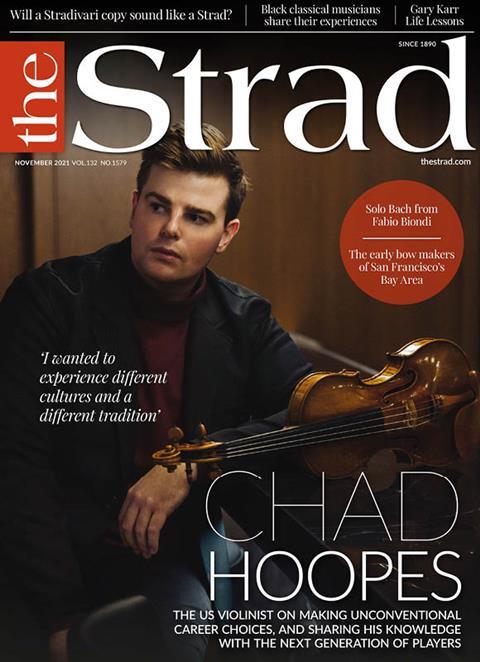
Chad Hoopes, violin
Part of being a string player is getting used to an instrument that is always slightly different wherever you open the case when you’re travelling from place to place. I was in a humid place for two weeks and then a dry place. So I think we’re used to making those quick adjustments. Playing a modern instrument makes things easier as they can be a lot more stable than older instruments.
Bella Hristova, violin
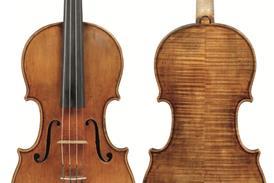
I have a hygrometer in my case, and in the winter, I make sure the room in which I practise is humidified, but not too much. I’ve spoken to a luthier, and he said no more than 30 per cent humidity. I play a Nicolò Amati violin – even a 20 per cent humidity difference between one room to the next is too much for an older instrument.
I do have a modern violin too which is much more stable, so if I am playing somewhere with extreme changes of temperatures, I’d use that, because a 370-year-old Amati is slow to adjust.
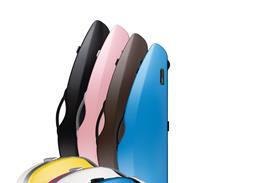
I also have a heavy winter ‘coat’ covering that goes over my violin case, so it protects the instrument a little more. I try not to be outside with the instrument at all, not more than ten minutes if possible. I avoid walking outside in this cold weather as it’s not great for the instrument, so I’d rather take a cab.
I use equalising humidifier packs in my case, as well as Dampits, but I don’t put them in the instrument – I just wet them and put them in the case.
I noticed that in this cold weather, my fingertips become quite dry and slippery, so I feel like I can’t get much traction. One thing I do is put lotion on them at night before I go to bed and I’m not about to do any playing. It’s part of my winter self-care – looking after my callouses so that they don’t become too slippery.
With bows, make sure you have long hair for the winter because the bow hair can shrink quite a bit, and this can damage the stick if the hair is already short.
Read: Under pressure: Dealing with humidity
Read: ‘Once a musician, always a musician’: Itzhak Perlman and Peter Oundjian in conversation
Read more Featured Stories like this in The Strad Playing Hub















No comments yet