



![Ayanna Witter-Johnson [Jordan Woods] 7](https://dnan0fzjxntrj.cloudfront.net/Pictures/274x183/4/9/4/44494_ayannawitterjohnsonjordanwoods7_224583.jpg)




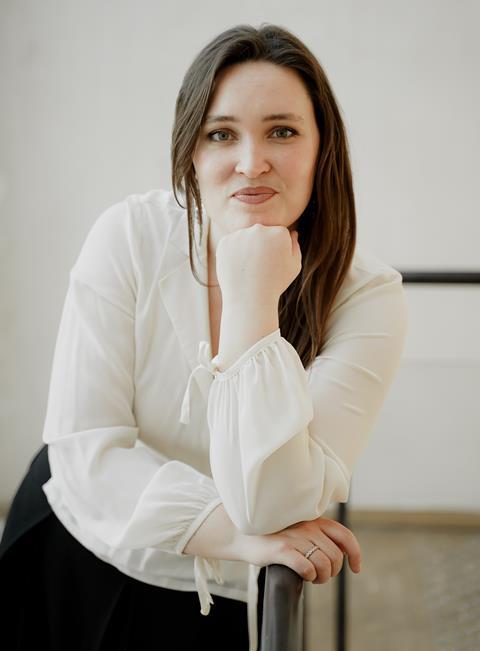
Emilie Callesen Doulcet, director of the French Connection Academy, explains her organisation’s holistic approach to education – something she believes the traditional system lacks
Read more Featured Stories like this in The Strad Playing Hub
I see a future where the classical music industry looks very different from what we have now. I believe private concerts will become a new norm and that brand collaborations can, and will, be done meaningfully between classical music and others in society. Today’s financial elite (and therefore those that have the means to support the arts) is also changing and the power balance is shifting to those in the tech sector. We don’t know yet whether this group of people will support the arts, and we must be open to learning new ways to interact with this changing world.
And so, if this world is changing, the approach through which we educate the young performers entering it should change too. There is a lack of real, hands-on entrepreneurial education in our traditional conservatoire system. And as a result, very talented musicians don’t feel legitimate enough to navigate what has become a volatile industry.
In today’s world, young musicians should be equipped with a broader range of skills than ever before – to build networks, meet people outside the classical world, write newsletters, and to be able to build an authentic brand, one that empowers them and enables them to build a regular income as the highly specialised artists they are. I believe this is possible through a holistic approach of training.
Creating a holistic environment means taking the whole musician into account. This includes providing the highest standard of teaching, psychological support, an honest and supportive environment, a focus on diversity, acceptance of different artistic personalities, and a strong focus on connecting classical music with others in society. Holistic training shows young musicians the real life of an artist, helping them understand that a career is not something that suddenly happens. It is built through many small, courageous decisions, continuous preparation and action, and by pivoting and reframing when a dream feels far away.
I implement this type of training at my French Connection Academy. Through this approach I believe we can help change the classical music world from within. It is in the goal of best serving the world as classical musicians by using our highly trained craftsmanship with integrity and honesty. Here are just a few aspects of holistic training and how it benefits young musicians.
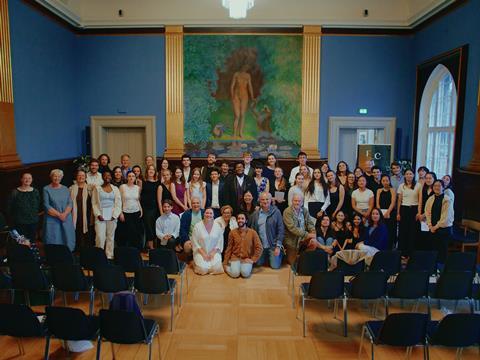
A focus on mental health is vital to creating a well-balanced musician. We may have grown up with internalised pressures and expectations, so understanding our mental health is very important in forming good self-confidence and believing in oneself authority as a highly trained musician.
Understanding your physical health has diverse benefits. It will help with your sound’s resonance, make you aware of tension in your body, help you grow with your instrument, and show how to deal with inevitable pains or injuries. Ballet dancers, for example, learn how to maintain their bodies from a very young age – why shouldn’t we?
The social aspect of holistic training relates to how we connect with fellow artists, festival directors, conductors, and how to build a network and career from the ground up. We can’t just stay in a practice room. It’s just as important to connect with others so that in the future, you will be able to collaborate successfully and support each other.
So many young musicians today are in a constant search for steady employment, and to be able to achieve this you must have skills in diplomacy and the knowledge of how to deal with the ‘business’ side of this world. For example, make sure you have a good legal knowledge of the profession, so that you can protect yourself from potential issues. And remind yourself to be grateful and loyal to those who support you. As a freelancer, you need to see yourself a small business. Ask yourself: What is the quality of my work? What is my strategy for attracting the right kind of audience? Can those people looking for my niche find me easily? What are my values and what companies match them? How do I stand out?
Having such a holistic approach shifts the focus from an ‘all or nothing’ approach to one that puts the musician’s path at the centre – a path that empowers, sustains and will eventually bring classical music to new people and contexts.
Read: Breaking the sounds of sameness: why music education must resist global uniformity
Read more Featured Stories like this in The Strad Playing Hub


![Ayanna Witter-Johnson [Jordan Woods] 7](https://dnan0fzjxntrj.cloudfront.net/Pictures/100x67/4/9/4/44494_ayannawitterjohnsonjordanwoods7_224583.jpg)






No comments yet