








Breathtaking imagination brings Baroque masterpieces to life
The Strad Issue: June 2026
Description: Breathtaking imagination brings Baroque masterpieces to life
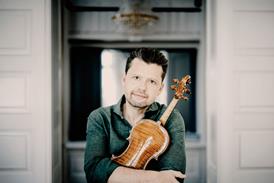
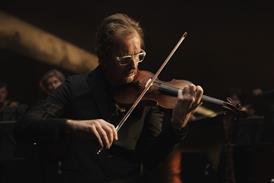
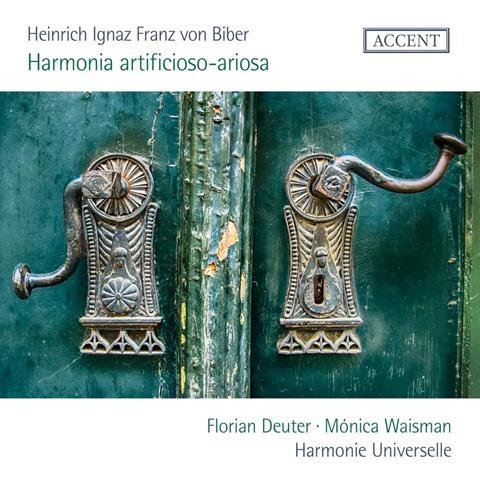
Musicians: Florian Deuter (violin, viola, viola d’amore), Mónica Waisman (violin, viola d’amore) Harmonie Universelle
Works: Biber: Harmonia artificioso-ariosa
Catalogue number: ACCENT ACC24418 (2CDs)
Harmonie Universelle’s third Biber disc features the seven Partien for two stringed instruments and continuo from his Harmonia artificioso-ariosa. These chamber suites are renowned for their exploitation (save for no.6) of scordatura, which determines their overall character by extending the timbral and tonal nuances of keys and encourages textural experiment involving multiple stopping.
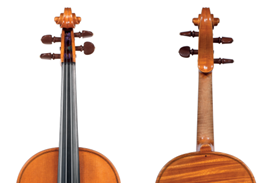
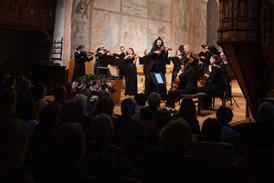
Harmonie Universelle realises these works’ virtuosity, dialogical interplay and improvisatory freedom with utter conviction, whether in the preludial opening movements or their ensuing stylised dances (including unusual Galanterien such as the Amener in no.3), instrumental arias and variation sets. Tempos are carefully regulated and dynamics dutifully observed, particularly the striking contrasts in no.1’s Gigue. Florian Deuter and Mónica Waisman form such a well-matched solo duo that they seamlessly swap roles as first and second violinist, Deuter assuming the first violin part in nos.2, 3 and 6. He is violist to Waisman’s violin in no.4. Both switch instruments for no.7, showcasing Tilman Muthesius’s copies of a period variant of viola d’amore with six gut strings and additional metal sympathetic strings.
Highlights of these persuasive accounts include no.3’s full-textured opening Praeludium and concluding canonic Ciacona, no.6’s Aria and variations, no.4’s brief, comical Pollicinello, no.5’s dramatic final Passacaglia and no.7’s Praeludium. These performers employ a wider continuo palette than Biber’s titular ‘à3’ suggests, including, alongside the violone, a lute/guitar and a harpsichord/organ – significantly here the mellifluous period organ of Niederehe’s Kirche St Leodegar, where these first-rate recordings were captured. Some listeners may find the elaborate continuo playing too intrusive; others will savour the scintillating outcomes.
ROBIN STOWELL
Review: Harmonie Universelle: Biber
Review: Bach: Sonatas for Violin and Continuo BWV1014–19, BWV1021 & BWV1023









No comments yet