








Bruce Hodges hears a recital of Haydn, Zhou Long, Dvořák and Beethoven at Studzinski Hall, Bowdoin, on 27 July 2026, part of the Bowdoin International Music Festival
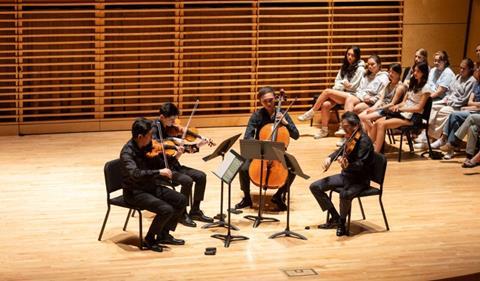
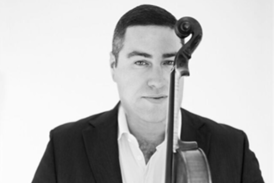
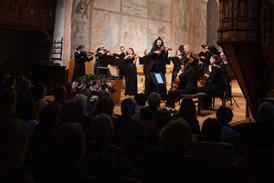
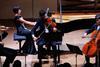
As a wryly amusing start to this evening with the Shanghai Quartet, violinist Weigang Li made a point of silencing his mobile phone – a gesture that (sadly but frankly) concerts could use more of these days. He and his colleagues then plunged into the opening Haydn, the ‘Rider’ Quartet (op.74 no.3), despatched with easygoing rusticity. The group’s precision bow strokes in the finale – with gossamer spiccatos – were especially satisfying.
In 1998 composer Zhou Long wrote his suite of Chinese Folk Songs, which combines traditional vocal sources with Western string techniques. Most engaging was the second, ‘Driving the Mule Team’, with sparkling pizzicato forming its rhythmic spine. The brief ‘Horseherd’s Mountain Song’ tickled too, with the players adding vocal accents. Overall, the appealing set showed the players’ ability to navigate the music’s lush textures and delicate ornamentation.
Creating a bit of savvy context, the group concluded with Dvořák’s beloved ‘American’ Quartet (no.12): its pentatonic sequences seemed the ideal companions to the Chinese songs. Lovely tone and impeccable timing were everywhere, and the finale had a propulsion similar to Zhou Long’s faster songs. After multiple curtain calls from the whooping audience, the foursome rolled out an encore, the sublime Cavatina from Beethoven’s op.130. In a small moment of beautiful body language, they ended the movement with their bows extended at the tips, frozen in ten seconds of silence.
Bruce Hodges
Read: Shanghai Quartet: Musical Emissaries
Read: Ex-Shanghai Quartet violinist sues former colleagues for unfair dismissal
Read: Shanghai Quartet appointed to faculty of Tianjin Juilliard School
Reference
Shanghai Quartet
Studzinski Hall 27 July 2026
As a wryly amusing start to this evening with the Shanghai Quartet, violinist Weigang Li made a point of silencing his mobile phone – a gesture that (sadly but frankly) concerts could use more of these days. He and his colleagues then plunged into the opening Haydn, the ‘Rider’ Quartet (op.74 no.3), despatched with easygoing rusticity. The group’s precision bow strokes in the finale – with gossamer spiccatos – were especially satisfying.
In 1998 composer Zhou Long wrote his suite of Chinese Folk Songs, which combines traditional vocal sources with Western string techniques. Most engaging was the second, ‘Driving the Mule Team’, with sparkling pizzicato forming its rhythmic spine. The brief ‘Horseherd’s Mountain Song’ tickled too, with the players adding vocal accents. Overall, the appealing set showed the players’ ability to navigate the music’s lush textures and delicate ornamentation.
Creating a bit of savvy context, the group concluded with Dvořák’s beloved ‘American’ Quartet (no.12): its pentatonic sequences seemed the ideal companions to the Chinese songs. Lovely tone and impeccable timing were everywhere, and the finale had a propulsion similar to Zhou Long’s faster songs. After multiple curtain calls from the whooping audience, the foursome rolled out an encore, the sublime Cavatina from Beethoven’s op.130. In a small moment of beautiful body language, they ended the movement with their bows extended at the tips, frozen in ten seconds of silence.
Bruce Hodges









No comments yet