















Arts consultant Mark Pemberton reads Samuel Cairnduff’s new publication on leadership in orchestral ensembles
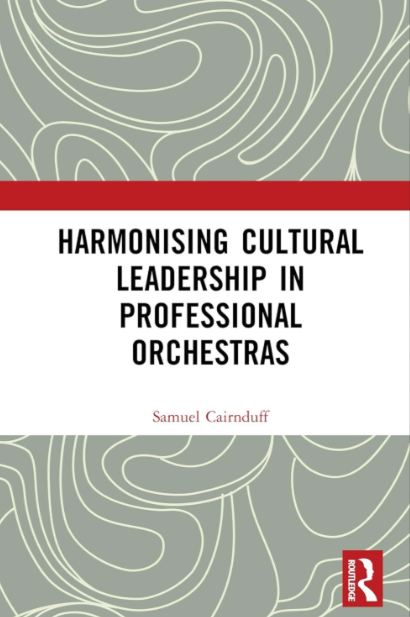
Harmonising Cultural Leadership in Professional Orchestras
Samuel Cairnduff
264PP ISBN 9781032906041
ROUTLEDGE £116
It’s a tough job running an orchestra today. And the position of CEO is often the loneliest place to be, squeezed between the demands of your board and staff, and responding to the requirements of multiple and sometimes conflicting stakeholders. If only there were an instruction manual to help provide focus and guidance!
Samuel Cairnduff’s new book on leadership in professional orchestras is so nearly it. Written as a PhD thesis, it is maddeningly repetitive and even at just 250 pages it’s a tough slog from beginning to end. But at its heart is a compelling and well-researched argument that leaders of orchestras now have to grasp the nettle of meaningful action and implement what Cairnduff calls the Harmonising Purpose framework.
That involves combining three interdependent attributes: harmonising purpose, authentic social participation, and stakeholder value creation. And only through this will orchestras be able to build relevance with stakeholders, audiences and communities, resolve the accusations of elitism so often levelled at our industry, and develop organisational resilience.
That may sound dry but it is absolutely in tune with what I have heard over this past decade from the leaders of British orchestras. As Cairnduff outlines, leadership is now moving beyond the traditional hierarchical model, embodied in the outdated trope of the heroic ‘white knight’ who rides to the rescue, seemingly with all the answers, to one that is more democratic and distributed across the organisation.
Cairnduff bases his thesis on the development of Australian orchestras across the past century, and much of the book is taken up with commentary from current leaders of orchestras there. But it is just as applicable to orchestras in other countries, especially the UK, where there is a similar challenge of wrestling with a mixed economy of ticket sales, philanthropy and static public funding, and with a shift in government priorities away from traditional ‘high art’.
In spite of its flaws, this book will be an essential read for anyone about to embark on the challenge of running an orchestra. If Cairnduff can synthesise his thesis into a more digestible format, he will perhaps have taken the most important step in helping reinvigorate leadership of our orchestras that we have seen in years.
MARK PEMBERTON











No comments yet