





Davina Shum reports back from a weekend in Manhattan, which revealed the city’s deep devotion to the violin – from María Dueñas’s dazzling New York Philharmonic debut to Itzhak Perlman’s intimate turn at Carnegie Hall
Read more Featured Stories like this in The Strad Playing Hub
Having lived in London for over 13 years, I often forget just how much cultural life is happening around me at any given moment. Between deadlines, commutes and my own performance commitments, I rarely have the chance to enjoy the city’s constant stream of concerts and events. Friends who live elsewhere often say, ‘It must be incredible living in London – there’s so much to do!’ And while that’s certainly true, I’m often completely out of the loop about what’s happening right on my doorstep.
On a recent trip to New York City, however, I suddenly felt what visitors to London must experience: a sense of endless possibility. There is so much to do, see and explore – and this time, I was determined to act less like a resident and more like a curious newcomer.
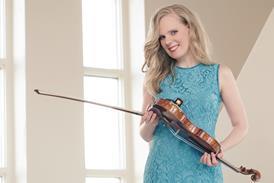
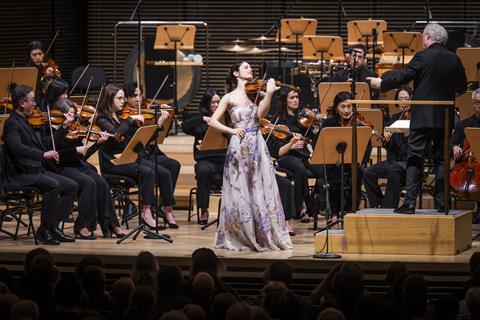
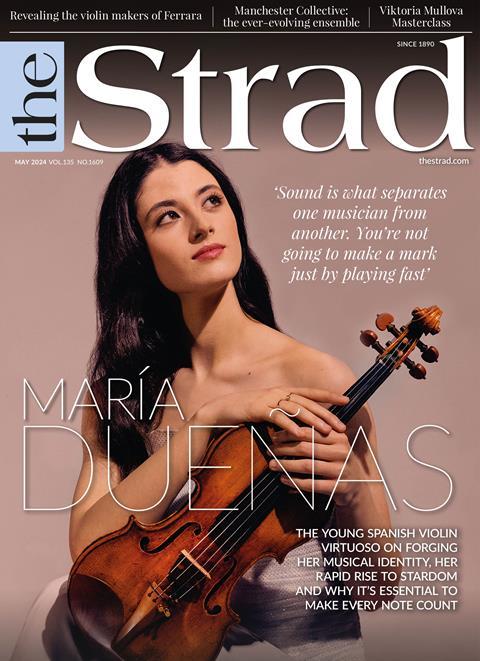
Last weekend alone offered a perfect snapshot of the city’s musical abundance, especially in the violin world. On Friday evening, I attended a concert at David Geffen Hall at Lincoln Center, where 23‑year‑old violinist María Dueñas performed the Beethoven Violin Concerto with the New York Philharmonic under the baton of her long‑time mentor, Manfred Honeck.
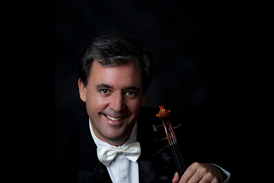
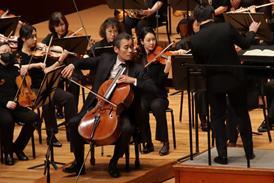
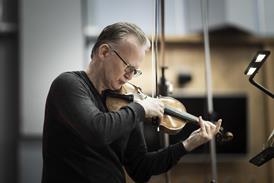
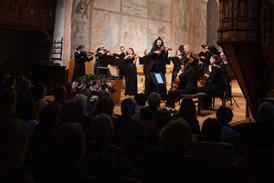
Just two days later and ten blocks south, I was at Carnegie Hall for the Colorado Symphony Orchestra’s concert, featuring the legendary Itzhak Perlman performing with the orchestra’s music director, Peter Oundjian.
Both events carried a sense of occasion. Dueñas was making her New York Philharmonic debut, having already built an impressive career through competition wins, acclaimed recordings and a busy international schedule. Perlman, who celebrated his 80th birthday last year, appeared alongside Oundjian in a performance that showcased their decades‑long friendship and professional partnership.
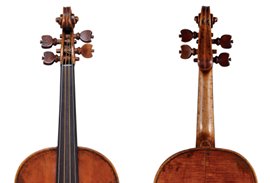
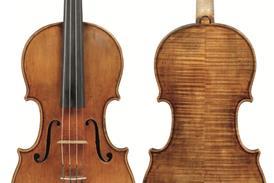
Dueñas offered a gracefully fluid reading of Beethoven in the Wu Tsai Theater – a warm acoustic that highlighted the silvery resonance of her 1718 ’Székely, Michelangelo’ Stradivari violin in its highest register and the incisive bite of the orchestra’s lower strings in more forceful moments. Several standing ovations followed, prompting her to offer an encore: Song of Veslemoy, no.4 from Halvorsen’s Mosaique Suite.
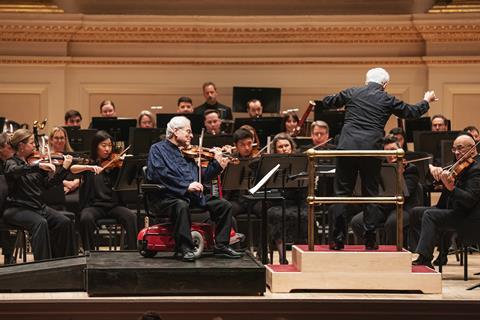
Perlman’s concert, by contrast, felt almost like an intimate salon. He introduced each work with his trademark wit and self‑deprecating humour, exchanging quick-fire banter with Oundjian: ‘I don’t remember rehearsing this piece, do you?’ His programme consisted of short, crowd‑pleasing favourites – Kreisler miniatures, John Williams’s Theme from Schindler’s List, and Gardel’s Tango (Por Una Cabeza) – remarking that ‘you don’t need an encore for these pieces because they already are encores.’
It is rare to hear these works performed with full orchestra rather than piano. Oundjian, often crouched on the podium, repeatedly urged the reduced forces of the Colorado Symphony to keep textures light. While Perlman may not project with the dynamic heft of his earlier years, what remains undiminished is his unmistakable character and expressive authority. This was heard most poignantly in his Schindler’s List performance, which drew noises of appreciation from the New York audience.
The two concerts could not have been more different: one dazzled with youthful virtuosity, the other invited listeners to lean in; one marked the ascent of a rising star, the other celebrated the enduring artistry of a cultural icon. Yet both evenings were steeped in the power of musical partnerships – Dueñas and Honeck cementing a collaboration that has shaped her young career, and Perlman and Oundjian renewing a bond forged through decades of teaching, music-making and mutual admiration.
What struck me most over the course of the weekend was not just the quality of the performances, but the sheer enthusiasm of New York audiences – a city that embraces the violin in all its forms, from boundary‑pushing young artists to beloved masters. At a time when many seek solace, inspiration and connection through live performance, New York’s devotion to the violin feels especially vibrant.
And the celebration continues: later this month, the Chamber Music Society of Lincoln Center launches its annual Winter Festival, A Violin Celebration (19 February to 8 March), promising yet another reminder of how deeply this city cherishes the instrument and the artists who bring it to life.








No comments yet