








All Masterclass articles
-
 Premium ❘ Feature
Masterclass: Schumann Fairy-tale Pictures op.113, third and fourth movements
Patrick Yim explores two movements of juxtaposing characters that test a viola player’s versatility and technical skill
-
 Premium ❘ Feature
Masterclass: Haydn Piano Trio in C major, Hob.XV:27, first movement
Violinist Elene Meipariani of Trio E.T.A. highlights the importance of finding a unified sound that brings life to this sprightly movement
-
 Premium ❘ Feature
Masterclass: Grieg Violin Sonata no.3 in C minor, op.45, first movement
Esther Yoo guides violinists through a movement of turbulence and tenderness in a work that requires complete technical command
-
 Premium ❘ Feature
Masterclass: Mozart Violin Sonata no.32 in B flat major, first movement
In a movement that evokes all the delightful quirks of a Mozart opera, it’s important to maintain a dialogue between violin and piano, says violinist Arnaud Sussmann
-
 Premium ❘ Feature
Masterclass: Chausson Poème for Violin and Orchestra op.25
Understanding the harmonic framework is key to making sense of Chausson’s fluid, freely structured Poème, says violinist Maria Włoszczowska
-
 Premium ❘ Feature
Masterclass: Schubert Piano Trio no.2 in E flat major, first movement
David and Edgar Moreau dive into Schubert’s sound world, exploring colour, balance and the expressive detail that shapes their interpretation of this late work
-
 Premium ❘ Feature
Masterclass: Bruch Violin Concerto no.1, second movement
Bella Hristova outlines the importance of pacing oneself and creating a hierarchy of intensity in this popular slow movement
-
 Premium ❘ Feature
Masterclass: Beethoven String Quartet no.11 op.95 ‘Serioso’, first movement
This whirlwind movement represents a turbulent time in the composer’s life, evident in the work’s relentless momentum and extreme characters, says Ariel Quartet cellist Amit Even-Tov
-
 Premium ❘ Feature
Masterclass: Hoffmeister Viola Concerto in D major, first movement
Knowledge of the Classical style, technical proficiency and musical creativity are keys to making this movement successful beyond audition preparation, says violist Louise Lansdown
-
 Premium ❘ Feature
Masterclass: Beethoven Violin Sonata no.10, op.96, first movement
Simplicity is the challenge in this peaceful, pastoral movement, creating an image of Beethoven at one with nature, says violinist Lena Neudauer
-
 Premium ❘ Feature
Masterclass: Brahms Cello Sonata no.1 in E minor op.38, third movement
This fugal final movement requires elements of restraint where climaxes must be managed carefully, says cellist Steffan Morris
-
 Premium ❘ Feature
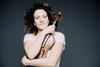
Masterclass: Brahms Violin Concerto, second movement
The feeling of rhetoric and a stream of consciousness must be represented when approaching this movement, says violinist Liza Ferschtman
-
 Premium ❘ Feature
Masterclass: Dvořák Romance in F minor op.11
Violinist Grace Park examines ways of creating nuance and variety in this seemingly simple piece, which is imbued with folk elements characteristic of Dvořák’s heritage
-
 Premium ❘ Feature
Masterclass: Ysaÿe’s Rêve d’enfant op.14 for violin and piano
Violinist Nancy Zhou demonstrates the breadth of Ysaÿe’s expressive devices in an intimate piece dedicated to his son
-
 Premium ❘ Feature
Masterclass: Beethoven Violin Sonata No.9 ‘Kreutzer’, first movement
Capturing the music’s sense of tumultuous energy is key to portraying Beethoven’s unpredictable character in this movement, says violinist Kristin Lee
-
 Premium ❘ Feature
Masterclass: Dvořák String Quartet no.12 ‘American’, second movement
Cellist of the Dover Quartet Camden Shaw illustrates the importance of sound exploration in this bittersweet movement that can be seen as a metaphor for life and its many tribulations
-
 Premium ❘ Feature
Masterclass: Schumann Fantasiestücke for cello and piano
These three pieces pose an opportunity to create a dream-like sound world illustrating love in all its forms, says cellist Christian-Pierre La Marca
-
 Premium ❘ Feature
Masterclass: Mozart Violin Concerto no.4 in D major, first movement
Remembering that Mozart was an opera composer and understanding harmonies are the keys to bringing out the various characters in this work, says violinist Tobias Feldmann
-
 Premium ❘ Feature
Masterclass: Saint-Saëns Violin Concerto no.3 in B minor, first movement
Violinist Benjamin Beilman explores how to navigate the athletic virtuosity of a work that requires the soloist to have firm technical and musical command
-
 Premium ❘ Feature
Masterclass: Schumann Five Pieces in Folk Style op.102, first piece
Cellist Trey Lee shares how a particular painting in London’s National Gallery provided his inspiration for this movement, which can be seen as a metaphor for life