












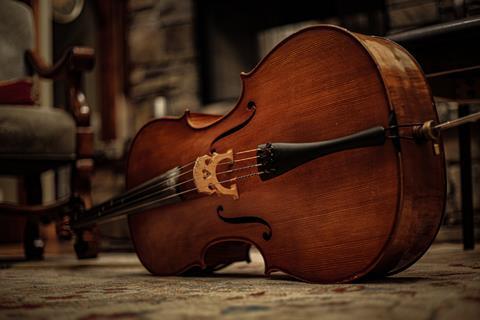
Returning to your instrument after a long break can be dispiriting, says cellist Davina Shum, but it’s important to take it by degrees, have faith in your ability and trust the process
Discover more Featured Stories like this in The Strad Playing Hub
Read more premium content for subscribers here
String players are not quitters. To reach a proficient level where we’re able to achieve our goals – including personal fulfilment and upholding professional standards – we are trained from an early stage in the crucial skills of discipline, perseverance and attention to detail. Basically, we show up, day after day, year after year, with dedicated focus to our craft.
As someone who embarked on a professional playing career 20 years ago, I myself am not one who needs to play my instrument every day when I’m not engaged in performance work. We can all remember what happened in March 2020, and I can confirm that my pandemic was not spent exploring the Bach Cello Suites (though I appreciate the solace that they provided for many others during that difficult time).
Since 2021, I’ve worked as online editor for The Strad, for which I rely very much on my training as a string player, yet it does not require me to play my instrument every day. But what do you do when you need – or want – to get back into playing? People take breaks from playing for many reasons – life events, burnout, a career change, to name a few. In my case, because of the sporadic nature of the performance work I do, I often go for months without touching my instrument; quite happily so. However, when I then run into a busy patch or a long-term contract, inevitably the initial panic sets in, and I think to myself, ‘Oh my goodness, I have completely forgotten how to play.’
All of a sudden, my left fingertips feel extremely soft, my shoulders ache after attempting a short period of practice, and my eyeballs seem sluggishly slow to keep up with reading notation. It can feel rather overwhelming, and guilt can even set in, as if I’ve let down my student self – with her ingrained values of showing up to practise every day.
To get through the initial shock of coming back into playing after a hiatus, I believe it’s important to remember this internalised character of the dedicated musician that shaped you in the first place. Provided you’ve put in the hard yards during your training, you can ease your way back into performance in a forgiving manner.
With that in mind, go easy on yourself and remember that if you once had the ability to play to a high standard, you can get it back – it’s like riding a bike. Think about how much work you put in in your early days of learning; when you come back after a break, your base level is going to be so much higher than if you were starting from scratch.
Your base level is going to be so much higher than if you were starting from scratch
Generally, I like to start with gentle body stretches and a focus on my breathing, posture and comfort levels to give myself the best chance of recognising what’s working best in my body, and what could be improved.
On your instrument, I would recommend taking baby steps and reminding yourself that progress might be slow at first, so set yourself some easy exercises so that you can ease back in within realistic practice time slots. For me, this includes plenty of open-string playing or simple Ševčík bowing exercises. These help me to re-familiarise myself with the sound of my instrument, as well as with how my right arm feels physically as I draw out resonance from my cello. As I do all this I try to remain relaxed and use my body as efficiently as possible.
In terms of the left hand, remember to cut your fingernails before trying anything! I find that Ševčík’s and Feuillard’s simple exercises in a range of positions help to re-establish my left-hand frame.
You might find you make horrific noises on your instrument – but give yourself permission to do so! By trusting the process and having faith in your former ability, you’ll be able to enjoy the slow and steady transformation back to the player you once were.
Read: Opinion: The benefits of rest for students
Read: How taking a break can make you a better musician
Discover more Featured Stories like this in The Strad Playing Hub
Read more premium content for subscribers here
The number one source for playing and teaching books, guides, CDs, calendars and back issues of the magazine.

In The Best of Technique you’ll discover the top playing tips of the world’s leading string players and teachers. It’s packed full of exercises for students, plus examples from the standard repertoire to show you how to integrate the technique into your playing.

In the second volume of The Strad’s Masterclass series, soloists including James Ehnes, Jennifer Koh, Philippe Graffin, Daniel Hope and Arabella Steinbacher give their thoughts on some of the greatest works in the string repertoire. Each has annotated the sheet music with their own bowings, fingerings and comments.
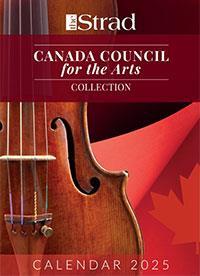
The Canada Council of the Arts’ Musical Instrument Bank is 40 years old in 2025. This year’s calendar celebrates some its treasures, including four instruments by Antonio Stradivari and priceless works by Montagnana, Gagliano, Pressenda and David Tecchler.




















1 Readers' comment