


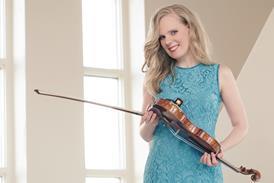









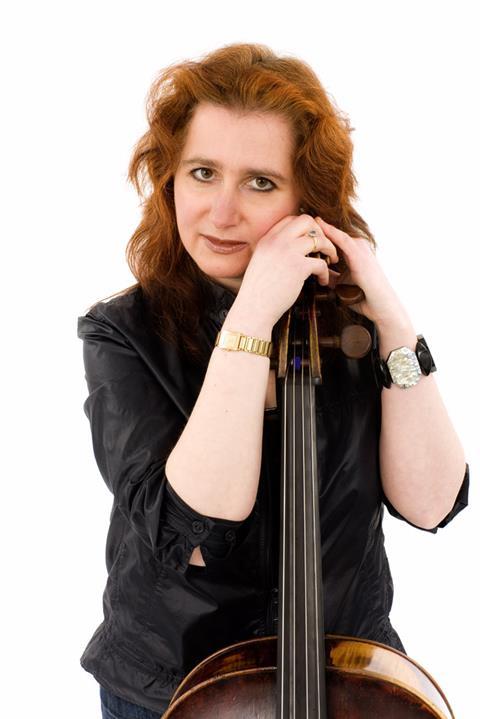
Cellist Hannah Roberts reflects on the value of memorising music, and why developing this skill can deepen understanding and strengthen communication in performance
Discover more Featured Stories like this in The Strad Playing Hub
Read more premium content for subscribers here
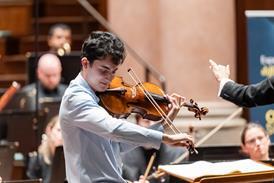
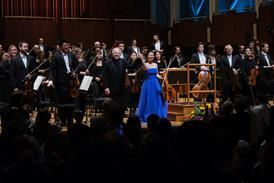
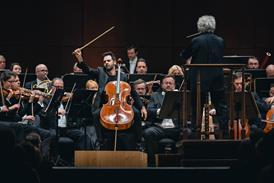
How do you remember it all?’ It’s a question I am frequently asked by audience members after performances where I have played from memory.
I believe there many benefits to this skill that extend far beyond merely remembering the notes. Yet I have heard some people questioning the value of playing from memory (or, interestingly, to use its alias ‘playing by heart’) suggesting it can prioritise display, increase performance anxiety and even reduce attention to the details of the score. Some musicians are afraid of a memory lapse during performance, while others cite how the need to remember dominates their concentration.
This set me thinking about whether we are gradually losing this important aspect of learning and music making, and how I can help my students to develop this valuable skill.
The process of committing music to memory is personal to each individual, but core elements include deep investigation of the score, analysing the structure of the music, its physical patterns and instrumental geography, and the emotional journey of the work, as well as understanding its interaction with other parts.
All of these could form part of the ideal preparation for a non-memorised performance – indeed, they should. But the rewards of ‘playing by heart’ are many: a directness of communication; a freedom of movement, with gestures that emanate from the music; enhanced visual interaction with colleagues; heightened awareness and more potent ‘internalisation’ of the composer’s intentions; undiluted listening; and, ultimately, a barrier-free relationship with the audience.
There are several distinct facets of musical memory – tactile, aural and visual – all of which play a part in successful and lasting memorisation. Recognising or finding patterns can also play a key role, which may explain why certain types of music are easier to memorise.
I still see a wide range of memorisation abilities in my teaching role
In my teaching role I am fortunate to work with highly gifted and accomplished students, but I still see a wide range of memorisation abilities. So how can we strengthen this skill? Beyond establishing from the outset that all material – from scales and studies through to repertoire – is ideally learnt from memory, there are other helpful concepts to consider.
One approach is to analyse the phrase, then the section, and then the movement, working from the score as well as the individual part, in order to understand and remember significant features. A similar process can be applied to instrumental aspects: for example, identifying the key and where on the instrument material occurs in the recapitulation compared to the exposition, or recognising the fingering patterns within a passage. It is also important to make significant ‘triggers’ conscious. These may be physical landmarks, or harmonic, structural or phrase-based elements, often in combination.
In circumstances where the score is used – for example in sonata playing – but where one may feel more liberated playing certain passages from memory, it is useful to practise switching between the two, as doing this can at first be disorientating.
Fortunately, memorisation is not like brain surgery – a mistake is recoverable! Using slips in informal run-throughs as an opportunity to analyse, understand and absorb can itself become part of the learning process.
Memorisation can bring great joy and liberation to performers and audiences alike – to quote Oscar Wilde: ‘Music is the art which is most nigh to tears and memory’.
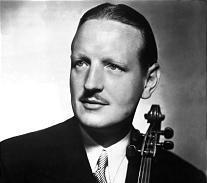
Read: Violinist Aaron Rosand on why memorisation is key to interpretation
Read: How to use the 4 types of memory to improve your memorisation: Alexandra Gorski
Discover more Featured Stories like this in The Strad Playing Hub
Read more premium content for subscribers here













No comments yet