
- News
- For Subscribers
- Student Hub
- Playing Hub
- Directory
- Lutherie
- Magazine
- Magazine archive
- Whether you're a player, maker, teacher or enthusiast, you'll find ideas and inspiration from leading artists, teachers and luthiers in our archive which features every issue published since January 2010 - available exclusively to subscribers. View the archive.
- Jobs
- Shop
- Podcast
- Contact us
- Subscribe
- School Subscription
- Competitions
- Reviews
- Debate
- Artists
- Accessories











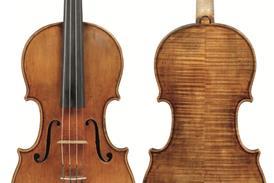

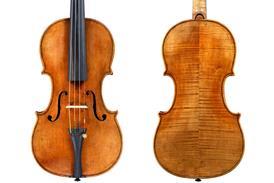






Trade Secrets: Set-up guidelines for the five-string violin

Jennifer Halenar shares some tips that take into account the differences in bridges, strings, dimensions and fingerboards
The five-string violin is perhaps not something that most luthiers have often encountered on their workbenches. That may soon change, though, as five-string violins are becoming increasingly popular with musicians across many playing styles. For quite some time, these instruments have found a home in genres such as Bluegrass, jazz, folk and rock. The advantage of the fifth (or ‘low’) C string gives players more options for duet and multi-octave playing, allowing them to carry fewer instruments to the gig if they tend to switch between violin and viola. As with four-string violins, one still desires an even and open tone across all the strings, which can be affected by its set-up…
Already subscribed? Please sign in
Subscribe to continue reading…
We’re delighted that you are enjoying our website. For a limited period, you can try an online subscription to The Strad completely free of charge.
* Issues and supplements are available as both print and digital editions. Online subscribers will only receive access to the digital versions.
Keep informed