








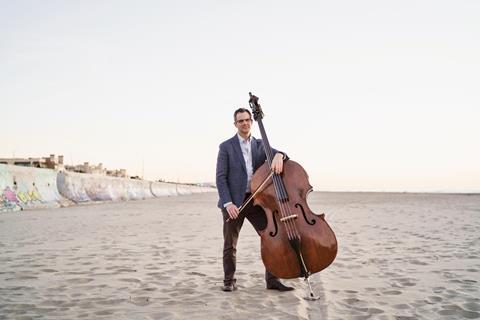
The US principal bassist on his approach to practice and what makes an effective leader
Discover more Featured Stories like this in The Strad Playing Hub.
Read more premium content for subscribers here
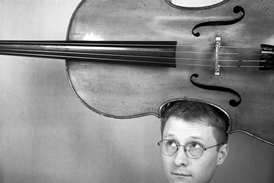
I started playing the electric bass when I was 15. But when I decided I wanted to pursue music at university, I realised I would need to learn the upright bass, which I started aged 17. I was incredibly determined, and within a few months I was accepted to the University of Wisconsin–Eau Claire. I just loved the sound and role of the bass in many styles of music but didn’t really consider a classical career until graduate school. Before then, I concentrated more on playing jazz.
For much of my education, I had a bit of a shotgun approach to learning and would practise just about anything I could get my hands on – even trumpet etudes! I’ve always loved practising, so the drive to improve was never an issue. With my first teacher, James Clute, we mostly covered repertoire; not so much technical studies and etudes. And at the Manhattan School of Music, my teacher Timothy Cobb was fantastic at teaching through example. When he would demonstrate, I’d hear the sound, see his movements, and copy them. It gave me the gift of knowing how things should sound at a very high level. However, it did take a while for me to truly understand how I was doing what I was doing, which eventually helped me become both a better player and teacher.
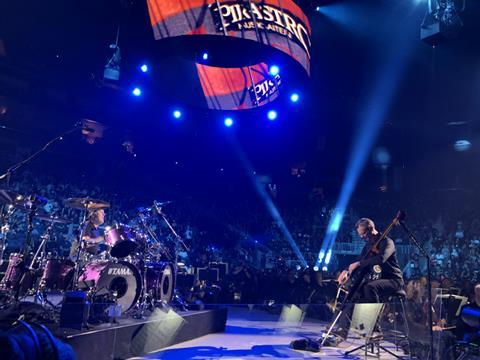
When I moved to New York I initially saw it as a way to access the city’s jazz scene. But at the same time I was falling in love with orchestral repertoire and felt compelled to follow that path instead. It was a difficult transition, but because both are such specialised art forms, it seemed to me that I would have to pick one to excel at. Thankfully I still get many opportunities to do non-classical projects.
I became principal of the San Francisco Symphony at the age of 29, which was quite an intense experience. The biggest thing was learning how to listen and what to listen for. You can’t just rely on the conductor. And when leading the section, your movements should be organic and give just enough information to make the players’ jobs easier. You need to be a strong player and leader with high standards, but also have respect for your colleagues and yourself. Great principals serve their section for the good of the music.
I have a background in martial arts, which I believe has helped me immensely when it comes to the learning process. And just as in martial arts, you need to be patient and disciplined in your work, thinking about not just the destination but the path. There are no short cuts to success.
INTERVIEW BY RITA FERNANDES
Read: ‘Your role is to lead by example’ - Edwin Barker’s life lessons
Read: ‘I like to run my section in a cooperative way’ - Christopher Hanulik’s Life Lessons
Discover more Featured Stories like this in The Strad Playing Hub.
Read more premium content for subscribers here


![[hasnt been used much] G Hoffman - photo William Beaucardet - a](https://dnan0fzjxntrj.cloudfront.net/Pictures/100x67/0/2/9/44029_hasntbeenusedmuchghoffmanphotowilliambeaucardeta_116713_crop.jpg)









No comments yet