











A snapshot of 1920s Budapest proves irresistible
The Strad Issue: April 2026
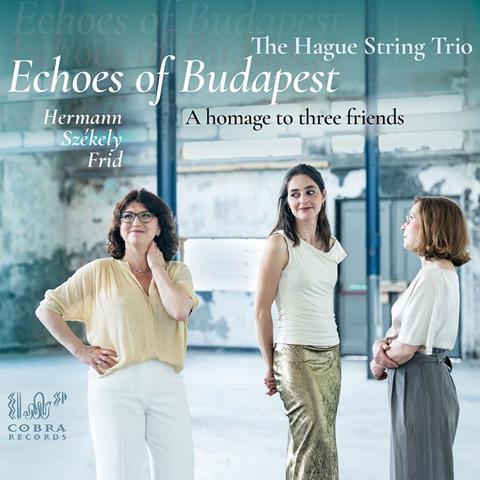
Description: A snapshot of 1920s Budapest proves irresistible
Musicians: Hague String Trio
Works: Frid: String Trio op.1; Duo for violin and cello ‘Kan-Ti’. Hermann: String Trio. Székely: String Trio
Catalogue number: COBRA RECORDS 0096
This lovingly presented album provides a sonic snapshot of the talent hothouse that was the Franz Liszt Academy of Music in Budapest during the 1920s.
Pál Hermann, Géza Frid and Zoltán Székely played, respectively, cello, piano and violin. They became friends and performed occasionally as a trio. Székely was to become one of Béla Bartók’s preferred interpreters, not least as leader of the Hungarian Quartet.
A victim of the Holocaust, Hermann was considered the most promising Hungarian cellist of his generation. Parallel to their instrumental studies, the two took private composition lessons with Zoltán Kodály.
Hermann’s atmospheric one-movement Trio does show his teacher’s influence, not least in its use of folk-inspired material, while bearing testimony to an individual voice.
Three years in the making, Székely’s 30-minute work fills spaciously conceived traditional forms with cheeky harmonies and original melodic invention.
Frid eventually became the first person in the Academy’s history to graduate in two main subjects (composition and piano). His tightly knit Trio brought him Kodály’s unconditional approval, and Frid’s slightly earlier, structurally freer Duo proves equally effective.
Since the three friends were active in the Netherlands until World War II drove them away, it seems appropriate that this recording should have originated there.
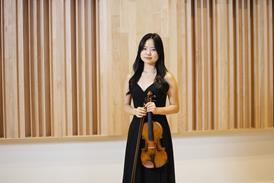
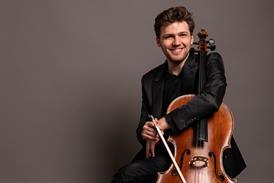
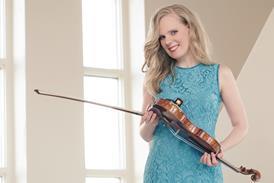
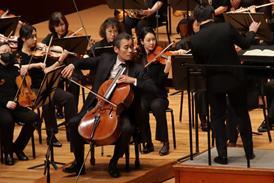
Faithfully caught in a favourable acoustic, the Hague String Trio’s members are perfectly attuned to each other and to the music’s Magyár idiom, sounding as if they have been performing this repertoire for years.
CARLOS MARÍA SOLARE

















No comments yet