
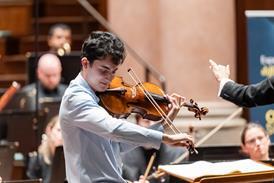
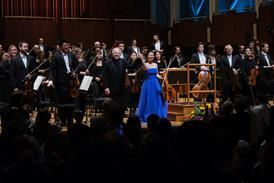
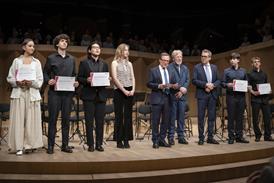
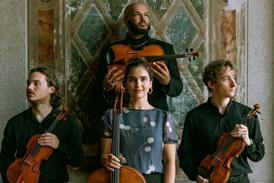








Edward Bhesania hears the performance of Coleridge-Taylor Perkinson, Vaughan Williams, William Grant Still, Cassie Kinoshi and Bridge at London’s Wigmore Hall on 17 June 2026
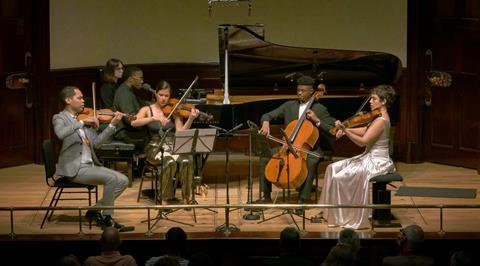
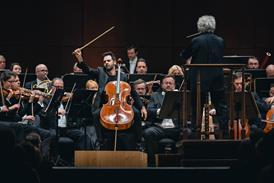
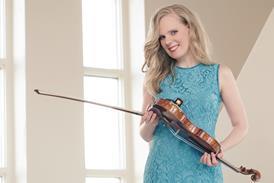
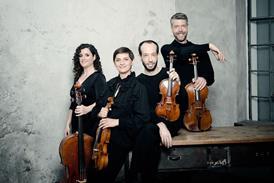
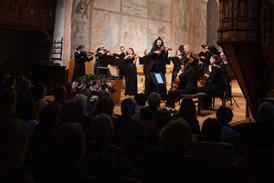
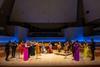
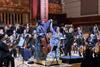
Among the players heard here from the Sphinx Organization, which creates opportunities for Black and Latinx musicians, were Elena Urioste (first violin) and Sterling Elliott (cello), both of them well known this side of the pond.
The String Quartet no.1 by Coleridge-Taylor Perkinson, the US-born composed named after the British-born Samuel Coleridge-Taylor, takes its nickname, ‘Calvary’, from the African American spiritual on which the work is based. The Sphinx players dispatched the first movement with rhythmic, jazzy verve and relaxed into its bluesy-ness. While the second movement combined lightness and poignancy, the final Rondo offered a more open texture with its good-natured counterpoint.
Pianist Amiri Harewood proved himself a sensitive soul in the Rondo from Vaughan Williams’s Suite of Six Short Pieces, before returning with Sterling Elliott for a cello and piano arrangement of William Grant Still’s Suite for violin and piano. Striking a relaxed demeanour and often looking out into the distance, Elliott was especially impressive in the second movement’s long, deep tangle of bluesy lyricism.
Cassie Kinoshi’s meditative stillness for piano quintet was preceded by a mindful breathing exercise for all, but it was in the second half, with Bridge’s Phantasy and Florence Price’s Piano Quintet no.1, that the ensemble was able to demonstrate its full dramatic, effusive and joyous force.
EDWARD BHESANIA












No comments yet