







Celia Cobb reads a new book by Annie Fullard and Dorianne Cotter-Lockard on strategies for teaching chamber music
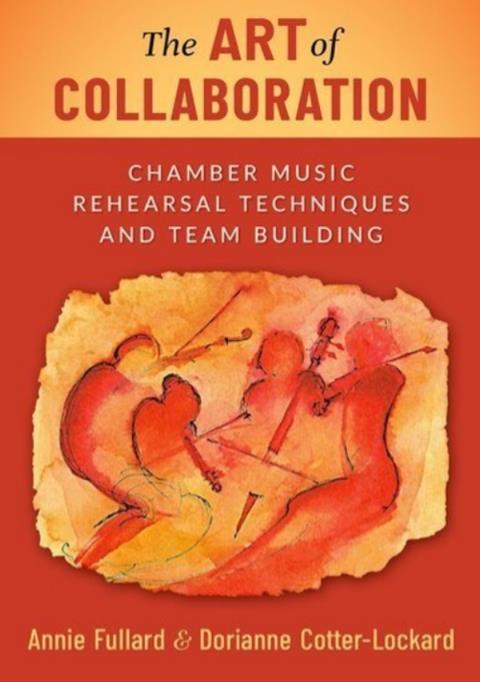
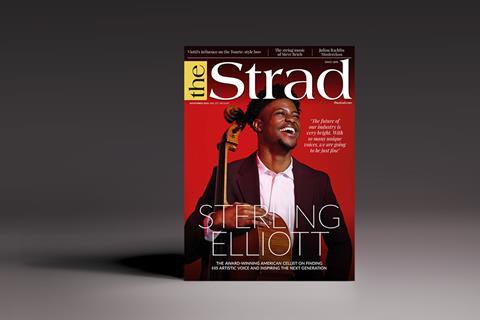
The Art of Collaboration: Chamber Music Rehearsal Techniques and Team Building
Annie Fullard, Dorianne Cotter-Lockard
248PP ISBN 9780197673126
OXFORD UNIVERSITY PRESS $99
The Art of Collaboration is aimed at helping those who play in small ensembles to learn to work together as a team and create the best and most meaningful performance outcomes. Annie Fullard is first violinist of the Cavani Quartet and director of chamber music at the Peabody Conservatory, while Dorianne Cotter-Lockard’s career has taken her from professional musician to the corporate world and beyond, via a PhD in concepts of leadership and collaboration.
The text is divided into four clear sections, the first three of which are weighted towards the authors’ theories and philosophies about the rehearsal process, with a final longer section that is jam-packed full of suggestions for their practical application. The text is written in a calmly authoritative and good-natured style, and is suited to reading in order, in its entirety.
The authors’ rehearsal and teaching philosophies centre as much (if not more) on interpersonal skills as they do on musicality and technique. They focus on the importance of team building and collaboration, and highlight the importance of empathetic and healthy communication within a positive environment. There are plenty of specific suggestions as to how this might be achieved, including creating examples of collaborative and constructive dialogues.
Perhaps the most important theme running throughout the book is the emphasis on ‘co-leadership’ in ensemble playing. The authors present the idea that by being willing to take on a leadership role, each individual player can have an equal voice in the artistic process. Ensembles are encouraged to allow every member of the group to participate actively, not only by sharing musical leadership in the rehearsal process but also by taking ownership of non-musical responsibilities such as group logistics and publicity. A dozen or so bite-size video examples of the suggested rehearsal techniques are available via the publisher’s website, each led, in keeping with the idea of co-leadership, by one of the members of the Cavani Quartet.
Another key thread in the book is the importance of the role of humour in shaping the rehearsal process. The text itself is infused with a sense of gentle good humour, and the words ‘fun’, ‘laughter’ and ‘joy’ appear multiple times throughout. This ethos is also evident in the videos, where hilarity often breaks through, though never to the detriment of the demonstrations of the serious teaching and musical points.
Some groups might struggle to implement some of the more earnest suggestions – such as the slightly alarmingly named ‘Live Breathe and Die’ technique, described by the authors as ‘a total commitment to live in the moment together, breathe through the music, and allow one’s ego to “die” in service to other members’ musical intentions’. But there are enough other tools and practical suggestions on offer to make this book a worthwhile investment for ensembles looking to refresh the connections within their group to bring out the best in each other.
Celia Cobb











No comments yet