











A three-day celebration at the Liszt Academy highlights the Hungarian violin legacy linking the great concertos of the past with today’s performers and the next generation
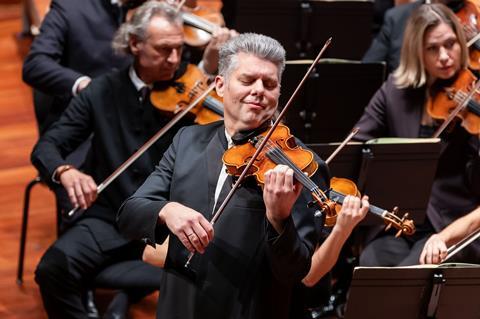
What links the violin concertos of Schumann, Sibelius, Dvořák, Bruch, Brahms, Bartók, Ravel and Tchaikovsky? Beyond their place at the heart of the repertoire, all were written for – or dedicated to – Hungarian violinists. It is a lineage that Hungarian violinist Barnabás Kelemen believes deserves far wider recognition, and one he will spotlight at Festival Academy Budapest (FAB) from 1 to 3 May 2026.
‘We have to be proud of this and nurture this tradition because not enough people know about it really,’ says Kelemen. Even the composer György Kurtág, who turned 100 earlier this year, was unaware of how many cornerstone works were created for Hungarian soloists. As Kelemen notes, no comparable legacy exists for any other instrument.
Tracing the roots of a tradition
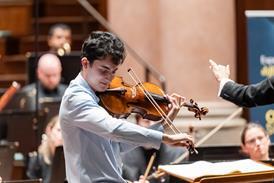
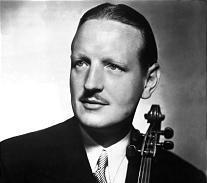
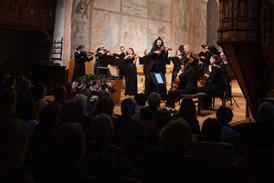
At the centre of this three‑day celebration at the Liszt Academy Grand Hall, Kelemen will perform nine major works for violin and orchestra, each connected to figures from the Hungarian violin school: Joseph Joachim, Joseph Szigeti, Franz von Vecsey, Zoltán Székely, Leopold Auer, Jelly d’Arányi and Stefi Geyer. Their influence, he says, forms an unbroken thread running through more than a century of violin playing.
Kelemen is also keen to underline the role of Joseph Böhm, the 19th‑century violinist and teacher who served as concertmaster at the premiere of Beethoven’s Ninth Symphony. Böhm’s pupils included Joachim, Auer, Carl Flesch, Jakob Dont, Jenő Hubay and Ede Reményi, making him what Kelemen calls ‘the real beginning of the Hungarian violin school’.
A living heritage on stage
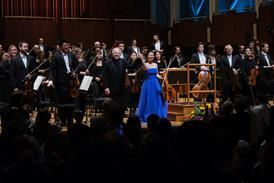
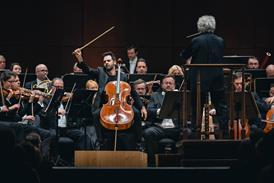
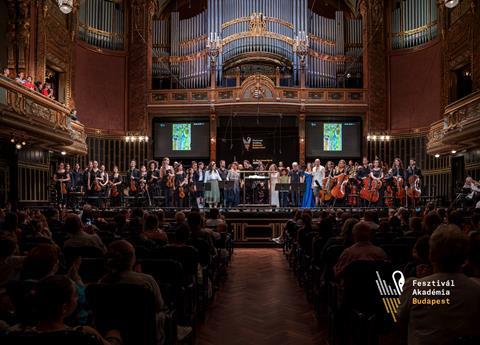
Across the long weekend, Kelemen will perform concertos by Brahms, Bruch, Schumann, Dvořák, Tchaikovsky and Sibelius, alongside Bartók’s two violin concertos, Ravel’s Tzigane, Bartók’s Rhapsodies nos. 1 and 2, and the Brahms Double Concerto with cellist László Fenyő.
Seven Hungarian orchestras will take part, conducted by Andreas Ottensamer, Gergely Madaras, András Keller, Michael Stern, Zsolt Hamar, Gábor Káli and György Vashegyi. Kelemen notes Ottensamer’s Hungarian heritage: ‘He rehearses in fluent Hungarian whenever he comes to conduct here, as his mother tongue is Hungarian’.
All concerts will be streamed live in film quality to The Violin Channel, and two concert films will be produced for MEZZO and medici.tv, directed by Imre Szabó-Stein.
The repertoire itself carries unmistakable Hungarian fingerprints. Kelemen points to the finale of the Brahms Violin Concerto, where conductor Teodor Currentzis first drew his attention to Hungarian rhythmic inflections. Folk and Gypsy elements, too, echo throughout the programme – from Bartók’s direct field‑collecting influences to Ravel’s Tzigane, a piece particularly close to Kelemen as the grandson of one of the best known Gypsy violinists of the early 20th century Pali Pertis, also well known in Paris.
‘These composers were amazed by this musical tradition,’ says Kelemen. ‘In Hungary there is a very strong link to folk music – a tradition going back thousands of years – while the Gypsy tradition is a few hundred years old. Both shaped the way these works were written.’
Connecting past, present and future
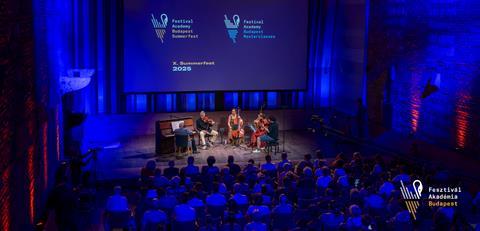
The May celebration precedes the 11th Festival Academy Budapest Summerfest, co‑directed by Kelemen and his wife Katalin Kokas, held at the Liszt Academy – ‘the temple of Hungarian music education’, and a hall beloved by violinists from Isaac Stern to Joshua Bell.
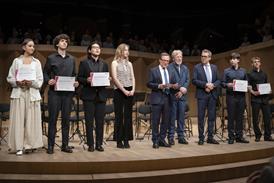
Taking place from 3 to 13 July 2026, Summerfest not only honours the Hungarian violin diaspora – including figures such as Zoltán Székely in Banff and Lorand Fenyves in Toronto, Sándor Végh in Salzburg and Tibor Varga in Sion, all Liszt Academy alumni – but also places strong emphasis on the next generation. The Ilona Fehér International Violin Competition, held biennially the week before Summerfest for violinists under the age of 22, feeds directly into the festival: finalists join masterclasses, perform alongside established artists and become part of the festival’s community of around 100 invited university‑level musicians from around the globe.
This generational bridge is deeply rooted in history. Fehér herself was a student of Hubay, later teaching Shmuel Ashkenasi, Pinchas Zukerman, Shlomo Mintz and Hagai Shaham – the latter two of this artistic lineage has sat on the competition jury since 2017.
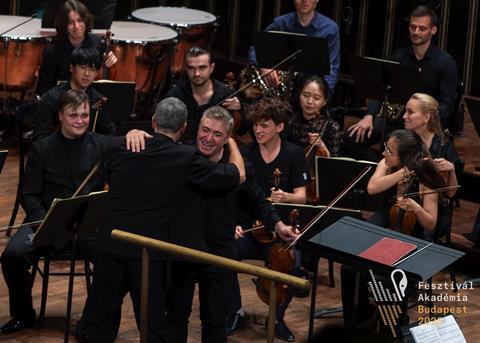
This year’s Summerfest will welcome artists including Maxim Vengerov, returning after last year’s appearance as honorary guest, alongside Ilya Gringolts, Kirill Gerstein, Maxim Rysanov, Mihaela Martin, László Fenyő and Frans Helmerson – just to name a few.
‘With these violinists, we play together and collaborate to inspire the next generation as much as we can,’ says Kelemen. ‘Through rehearsals and masterclasses, both actively and passively, we keep this tradition alive.’
Find out more about Festival Academy Budapest and its upcoming events here.
Learn more about Festival Academy Budapest in this documentary below:
Plus a documentary The Art of Teaching on the Festival Academy Budapest 2022 below:












No comments yet