










Dear Lara, directed by the violinist, investigates her own and others’ experience of surviving sexual abuse within the classical music world

The documentary Dear Lara will have its world premiere at the Santa Barbara Film Festival on 6 February 2026.
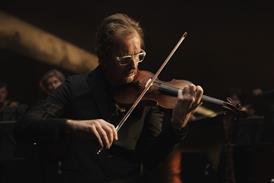
Directed by violinist Lara St. John and produced by Patrick Hamm, the documentary examines St. John’s account of decades of sexual abuse and the institutional failures within the classical music world that enabled it to happen.
In 2019, St. John spoke out about the sexual assault and rape she endured in 1986 as a 14-year-old by a 78-year-old instructor, when she was studying at the Curtis Institute of Music in Philadelphia. Having published her story in The Philadelphia Inquirer, numerous fellow survivors reached out with their stories.
St. John travelled across North America and Europe to meet these survivors and make their voices heard, exposing a pattern of systemic failures within institutions, complicity and entitlement.
St. John’s statement on the documentary highlights the mission behind the project:
’Dear Lara began as a DIY act of defiance. I picked up a camera and started filming, talking, and listening – not knowing where it would lead. While I’d spent many years working and collaborating as a musician, I had no formal training as a filmmaker. What I did have was a sense of urgency, and the trust of people who had waited far too long to be heard. Over time, an extraordinary team helped shape this film into something more forceful than any single voice.
’Classical music has been my world since infancy. I understand its appeal, but I also know its darkness – the power imbalances, the myths of genius, the reverence for institutions that so often protect abusers.
’With this film, I wanted to break the silence from within. I wanted survivors – and there are so many of us – to feel seen, believed, and connected to me and to each other. I’m asking questions. What would justice look like if we truly prioritised people over reputations? How might classical music thrive if its creative voices were supported instead of silenced?
’Music was my voice even before I spoke. With Dear Lara, I’m now using that voice to help others reclaim theirs.’
Read: Vancouver Symphony Orchestra drops legal threat in open letter addressing violinist’s NDA breach
Read: Will Smith sued by tour violinist for sexual harassment and wrongful termination











No comments yet