


















Traces of blood and saliva recovered from a Stradivari instrument were sufficient to sequence the luthier’s complete genome. Just kidding… HAPPY APRIL FOOL’S DAY!
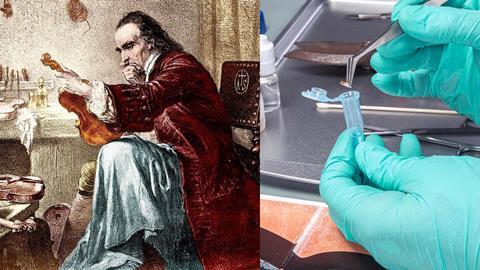
Scientists at the University of North Ticino, Switzerland, say they have recovered enough genetic material from a Stradivari violin to sequence the complete genome of Antonio Stradivari himself – raising the possibility, they suggest, of recreating the master luthier through cloning.
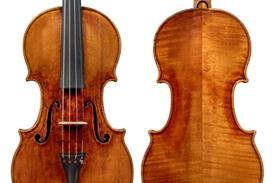
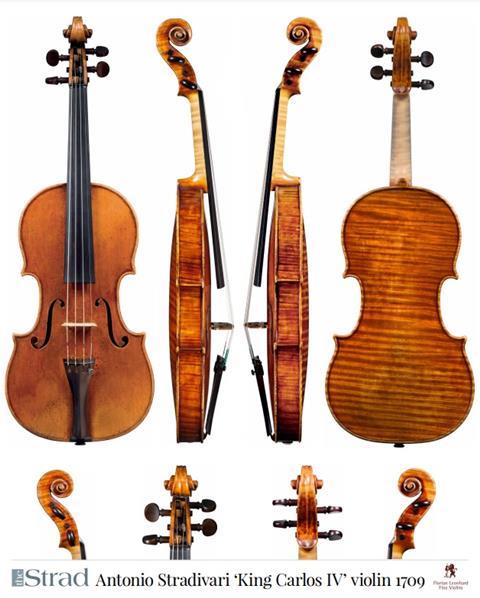
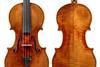
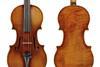
The DNA traces, strongly believed to originate from Stradivari, were discovered during a routine scientific examination of a 1712 Stradivari violin, which was brought to researchers in 2017 for analysis of its varnish.
According to the university’s research team, which is headed by Dr Lucien Favre‑Morel, a local luthier examining microscopic varnish samples encountered material that could not be identified using standard analytical techniques. The luthier – whose identity has not been disclosed – subsequently applied a series of forensic tests, including luminol, commonly used to detect traces of blood.
The tests confirmed the presence of minute quantities of blood embedded within the instrument’s red varnish.
Further analysis by molecular biologists revealed additional biological material, including what is believed to be saliva. Researchers say the distribution of this material is consistent with aerosol dispersal, such as coughing or sneezing while working.
DNA extracted from both the blood and saliva samples was sequenced and cross‑referenced. The researchers claim the two samples produced an exact genetic match, strongly indicating they originated from the same individual – and, they say, ’almost certainly’ from Stradivari himself.
The findings are now undergoing independent verification by external laboratories and research institutions. While the University of North Ticino team stress that their work remains preliminary, they have acknowledged that the completeness of the genetic data raises ‘significant scientific and ethical questions’.
Due to international legal restrictions surrounding human cloning, the researchers say they are currently consulting bioethicists and legal experts before determining any next steps.
Speaking about the scientific implications of the findings, however, the scientific team noted that the genetic material appeared to extend beyond basic biological markers. ‘From a genetic perspective,’ said Dr Favre-Morel, ‘there is no reason to believe the resulting cloned individual would not have an intuitive understanding of Cremonese archings.’
Read: The Lost Art of Cremonese Violin Archings















No comments yet