
- News
- For Subscribers
- Student Hub
- Playing Hub
- Directory
- Lutherie
- Magazine
- Magazine archive
- Whether you're a player, maker, teacher or enthusiast, you'll find ideas and inspiration from leading artists, teachers and luthiers in our archive which features every issue published since January 2010 - available exclusively to subscribers. View the archive.
- Jobs
- Shop
- Podcast
- Contact us
- Subscribe
- School Subscription
- Competitions
- Reviews
- Debate
- Artists
- Accessories









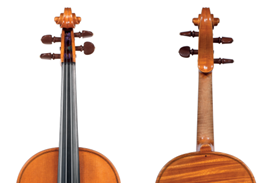
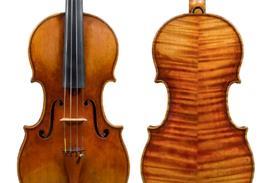




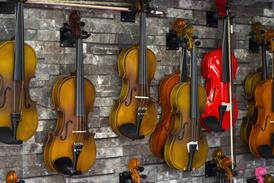


Iberian lutherie guilds: Tradition and Innovation
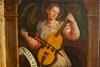
Instrument making in the Iberian peninsula was once tightly controlled by a network of guilds. Pablo Soriano examines regulations and personal documents to reveal the details of luthiers’ working lives
The beginning of the modern age was a complex time for Europe, when centuries-old traditions had to coexist with myriad new changes. Geography, philosophy, politics, trade and religion all needed redefining, following a quick succession of events. To give just one example closely related to woodwork, the discovery of America had a huge impact on instrument making, resulting from the introduction of so many new wood species. These adaptations to novelties were especially remarkable in the Iberian peninsula, because of the trade monopoly that the governing class was desperate to keep…
Already subscribed? Please sign in
Subscribe to continue reading…
We’re delighted that you are enjoying our website. For a limited period, you can try an online subscription to The Strad completely free of charge.
* Issues and supplements are available as both print and digital editions. Online subscribers will only receive access to the digital versions.
Keep informed