





![Ayanna Witter-Johnson [Jordan Woods] 7](https://dnan0fzjxntrj.cloudfront.net/Pictures/274x183/4/9/4/44494_ayannawitterjohnsonjordanwoods7_224583.jpg)


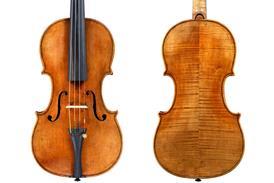



The two-dimensional instrument is small enough to fit inside the width of a human hair
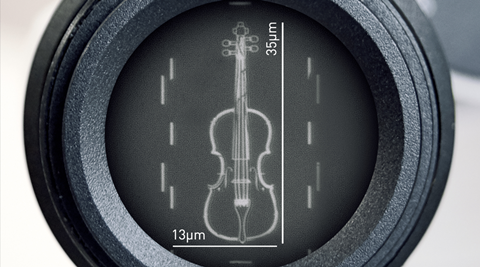
Physicists at Loughborough University, UK, have created what is claimed to be ‘the world’s smallest violin’ used nanotechnology. Carved on a sheet of platinum, the instrument is 35 millionths of a metre long, and 13 wide.
Being two-dimensional, the instrument has no strings and is unplayable; the image was created as a test project to demonstrate the capabilities of the university’s new nanolithography system. ‘Though creating the world’s smallest violin may seem like fun and games, a lot of what we’ve learned in the process has actually laid the groundwork for the research we’re now undertaking,’ said department head Kelly Morrison. ‘Our nanolithography system allows us to design experiments that probe materials in different ways – using light, magnetism, or electricity – and observe their responses. Once we understand how materials behave, we can start applying that knowledge to develop new technologies, whether it’s improving computing efficiency or finding new ways to harvest energy. But first, we need to understand the fundamental science and this system enables us to do just that.’
It takes around three hours to create a violin using the nanolithography system, although the final version took several months as they refined and tested different techniques. The finished piece is no larger than a speck of dust on the chip and can only be viewed in detail using a microscope.
Watch: The world’s largest playable violin
Read: ‘This might be the smallest workshop ever featured in The Strad’ - My Space: Ilja Grawert
The number one source for playing and teaching books, guides, CDs, calendars and back issues of the magazine.
In The Best of Technique you’ll discover the top playing tips of the world’s leading string players and teachers. It’s packed full of exercises for students, plus examples from the standard repertoire to show you how to integrate the technique into your playing.
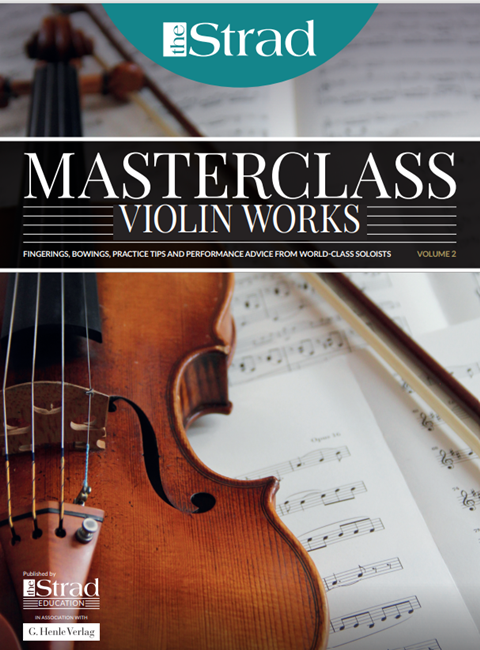
In the second volume of The Strad’s Masterclass series, soloists including James Ehnes, Jennifer Koh, Philippe Graffin, Daniel Hope and Arabella Steinbacher give their thoughts on some of the greatest works in the string repertoire. Each has annotated the sheet music with their own bowings, fingerings and comments.
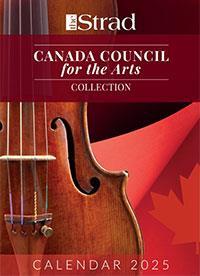
The Canada Council of the Arts’ Musical Instrument Bank is 40 years old in 2025. This year’s calendar celebrates some its treasures, including four instruments by Antonio Stradivari and priceless works by Montagnana, Gagliano, Pressenda and David Tecchler.











No comments yet