


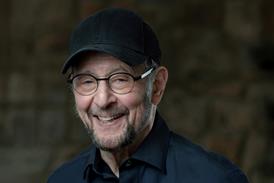




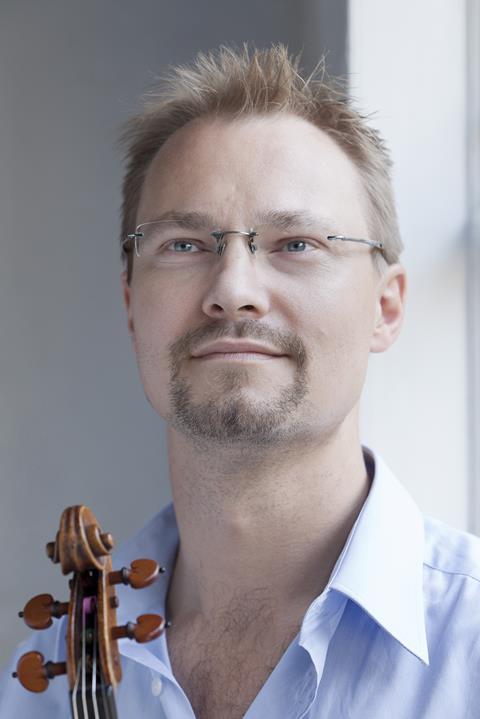
The Welsh violist and violinist and head of chamber music at Guildhall School of Music & Drama on his teaching approach and unconventional journey
Discover more Featured Stories like this in The Strad Playing Hub.
Read more premium content for subscribers here
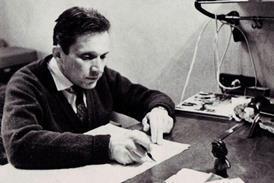
Playing duos with Ken Watkin, my first teacher in South Wales, was a real highlight of my time with him and is probably what drew me to chamber music. I’m very grateful for the love of music he instilled in me. Although I played violin seriously until university, my first degree was in mathematics, and I kept practising on the side. Mathematics has influenced my playing in many ways. Logical and systematic structures have made my practice more efficient.
I suffered a repetitive strain injury during my postgraduate studies, and unfortunately had to stop playing. One of my goals with students today is to help them avoid going through this. Most injuries happen not because of an intentional action on our part, but because we don’t have enough knowledge about how the body works in relation to the demands of the instrument. I encourage students to differentiate between musical and muscular tension. When you’ve got adrenaline rushing through you in a performance, the musical tension shouldn’t be translated into muscular tension. In fact, being aware of your body will make you a better player – your sound and posture will improve, and you’ll communicate better with your colleagues. Your first instrument is your body and your second instrument is your nice piece of wood!
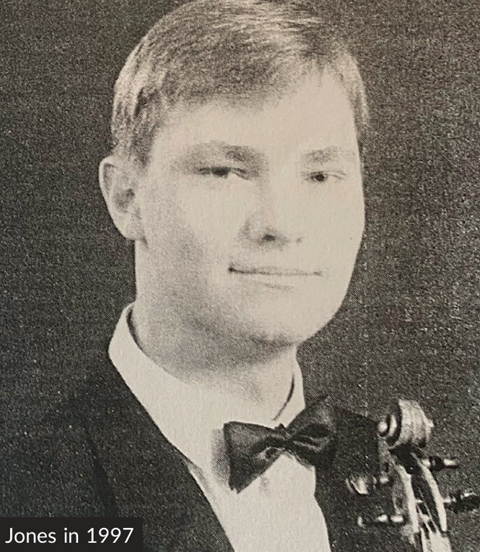
I returned to playing after practising Alexander technique, Kundalini yoga and meditation, and then learning how to teach them. A major shift came when I began to play the viola too. Everything was on a bigger scale and I could understand the physicality of playing more intuitively. I found it easier to link what I did in my practice with performance. We often live in this limbo state between the two, and having a clear distinction between them is incredibly important.
During my mathematics degree, I continued playing out of enjoyment, and I want music students to keep that, too. It is helpful to see practice as something creative instead of a necessary evil. There’s such beauty in designing your own exercises, and I’m not sure why there isn’t more education about how to practise. Students are left to figure it out for themselves.
As the head of chamber music at Guildhall School of Music & Drama, I aim to ensure that every student – regardless of their path – experiences the transformative qualities of chamber music. So many life skills are enhanced by it. If we can look for the best in others, we can see the best in ourselves.
The pressures of social media have made it difficult for young players to assess the quality of what they do. You may post something that gets a thousand likes, but be happier with the performance that only has a few likes. It’s important to have honest people around you, who have your best interests at heart. It’s not about critiquing yourself; it’s about developing non-judgemental awareness and knowing what makes you unique. That can only make you a better player.
INTERVIEW BY RITA FERNANDES
Read: ‘Curiosity is at the core of human nature’ - Roberto Díaz’s life lessons
Read: ‘People sense when you are genuinely passionate about something’ - Stephen Upshaw’s life lessons
Discover more Featured Stories like this in The Strad Playing Hub.
Read more premium content for subscribers here












No comments yet