






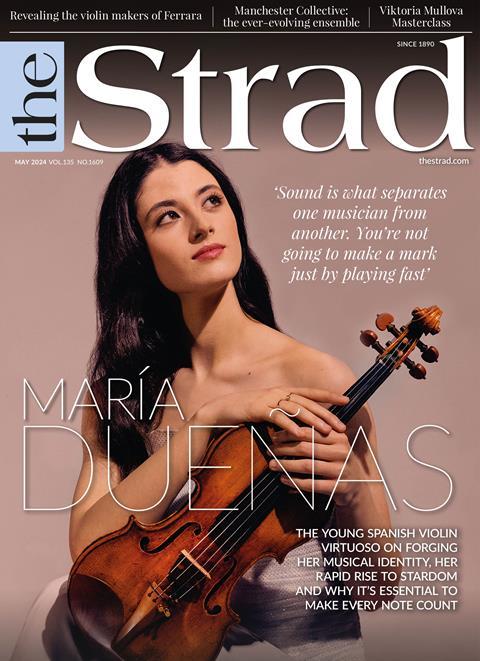
’Once you get here, everybody helps you to find the best part of yourself to present to the world,’ says the violinist
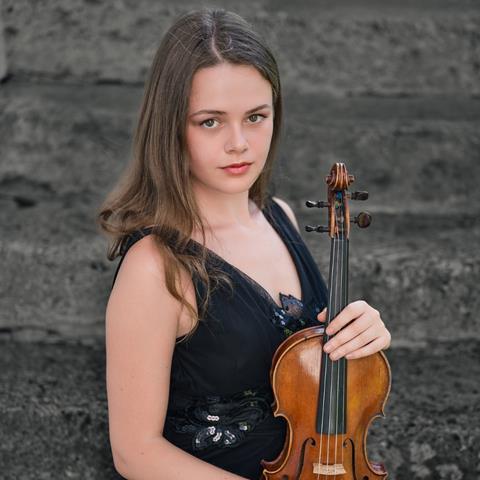
The Reina Sofía School of Music was on my radar for a few years, especially because I’ve been studying with Marco Rizzi since 2017. I’d heard many musicians speak highly of it, and since I wanted to study somewhere abroad, this was the perfect opportunity. It’s highly selective – there were two rounds of auditions – but it’s nice because we are a small community and it’s like a family.
In the first three years of the bachelor’s degree we had a lot of theory classes, and now that I’m in my fourth year we have more projects and a thesis, but we practise together every single day.
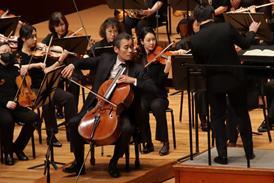
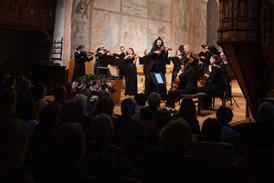
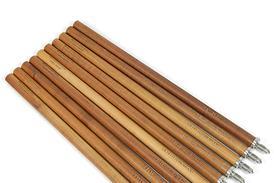
The schedule can change a lot during the week, depending on the projects. We have chamber music, orchestra, and historically informed performance with Baroque bows loaned by the school. We get to experience different genres of music such as jazz, collaborate with other schools like the Berklee College of Music in Boston, US, and do inclusive projects with social institutions. It gives you great insight into what you can do after you graduate.
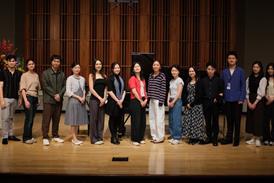
There are 35 different nationalities represented at the school. In our instrumental lessons we speak whatever language is best for the professor and student, but all the theory classes are in Spanish. It’s nice, because there are language classes for international students, which helps them integrate into the Spanish ambience.
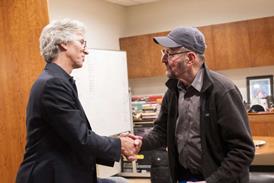
Studying with Rizzi for nine years has been quite a journey, but I still feel incredibly inspired after every lesson. He adapts his teaching depending on who’s in front of him and really gets us to see music from different points of view. Once you get here, everybody helps you to find the best part of yourself to present to the world.
Subscribers to The Strad receive the 2026 Degrees supplement free with their copy of the May 2026 issue







No comments yet