






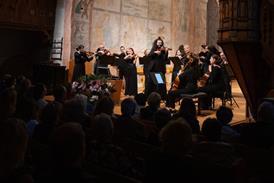




Bruce Hodges attends Bowdoin’s Studzinski Hall on 3 August 2026 for the concert of Haydn, Clarice Assad and Brahms, as part of the Bowdoin International Music Festival
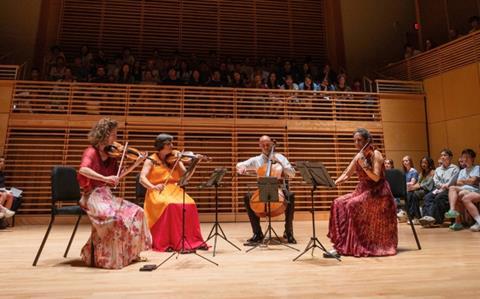
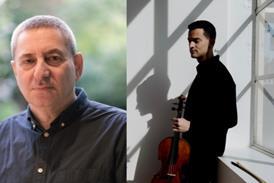
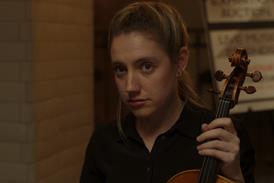
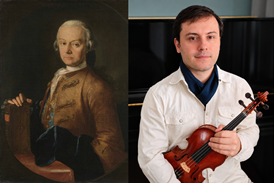
As the Bowdoin International Music Festival drew to a close, Studzinski Hall was packed for the Jupiter Quartet, which since 2012 has been in residence at the University of Illinois Urbana-Champaign.
Haydn’s Quartet in C major op.33 no.3 made a fine opening, and true to its subtitle (‘The Bird’), avian evocations were in evidence everywhere. The chirping motifs emerged crisply against a backdrop of elegance and restraint, in part due to the composer’s inherent sense of balance.
Inspired by the death of composer Claudia Montero, in 2022 Clarice Assad wrote Canções da America, a deeply affecting suite using fragments of dances from South America. It is cast in six movements and its vitality leaps off the page. To evoke the rhythmic verve of dances such as the Uruguayan milonga and the choro from Brazil, Assad uses unusual percussive techniques, with passages marked col legno battuto, along with taps elsewhere on the instruments. In the Jupiter players’ hands, the visceral results all but begged for a choreographer to bring the actual dances on stage.
To conclude came Brahms’s String Quartet no.2, infused with a warm intensity. Given that the quartet boasts a familial camaraderie – the violinists are Mélanie Clapiès and Meg Freivogel, violist Liz Freivogel is Meg’s sister, and cellist Daniel McDonough is Meg’s husband – it is easy to infer that all things must be going swimmingly on the home front. And it is high praise to add that the final movement, whirling with Hungarian fervour, left me with an earworm for a few days.
BRUCE HODGES













No comments yet