
- News
- For Subscribers
- Student Hub
- Playing Hub
- Directory
- Lutherie
- Magazine
- Magazine archive
- Whether you're a player, maker, teacher or enthusiast, you'll find ideas and inspiration from leading artists, teachers and luthiers in our archive which features every issue published since January 2010 - available exclusively to subscribers. View the archive.
- Jobs
- Shop
- Podcast
- Contact us
- Subscribe
- School Subscription
- Competitions
- Reviews
- Debate
- Artists
- Accessories









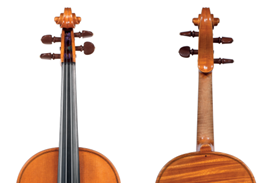
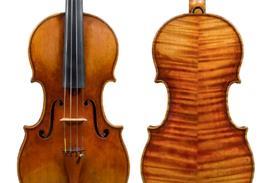





Seven, they are seven: Nicolò Amati cello 1642
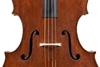
One of only seven known cellos by Nicolò Amati, this 1642 example is in an excellent state of preservation. Alberto Giordano examines its history and provenance, while Barthélemy Garnier discovers what its condition can tell us about the old Cremonese working methods, and Francesco Piasentini discusses CT-scanning the cello
In the summer of 1630, the plague spread rapidly from Milan to Bergamo, from Brescia to Cremona, bringing death and destruction to cities in Lombardy and throughout northern Italy. The disease occurred as a result of the passage of troops during the War of the Mantuan Succession, which occurred during the Thirty Years’ War. Raids, devastation and attacks carried out mainly in the countryside of the lower Po Valley accompanied the spread of the infection…
Already subscribed? Please sign in
Subscribe to continue reading…
We’re delighted that you are enjoying our website. For a limited period, you can try an online subscription to The Strad completely free of charge.
* Issues and supplements are available as both print and digital editions. Online subscribers will only receive access to the digital versions.
Keep informed