
















Nabile Galván outlines how community-based teaching can inform all educators, no matter where they teach
Discover more Featured Stories like this in The Strad Playing Hub
Read more premium content for subscribers here
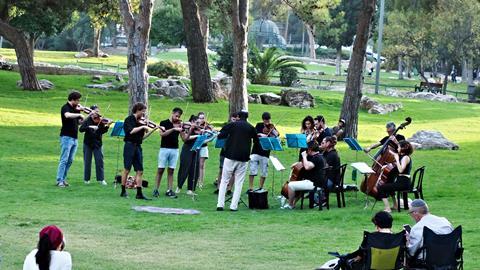
My experience as a string teacher across diverse settings – from private studios to state school programmes – has led me to the conclusion that strong string instruction goes beyond polishing technique and selecting repertoire. String teachers should have a deep awareness of who their students are, what musical knowledge they already possess and how community shapes the conditions for learning. Community-based string teaching, which can take place through non-profit-making programmes, youth orchestras and in other contexts, has helped me notice these dimensions clearly. The insights gained are relevant not only to outreach work but to all string teachers seeking to teach with greater responsiveness and sustainability, which involves keeping in mind students’ lived experiences when teaching.
One lesson I have learnt through community-based teaching is the importance of relationship-centred music making. Each time I work with a new community or student, my first responsibility is to listen to their experiences and learn from them. This may mean understanding which instruments are familiar to them, which resources are available and what access to and opportunity for regular practice they have. These details are not a distraction; they influence how I pace instruction, introduce technique, select repertoire and build trust. Relationship-centred teaching and musical growth are closely connected.
Another insight I have drawn is that flexibility is often essential to maintaining high expectations. Community music educators must adapt quickly to factors such as varying student experience levels, instrument access and multilingualism. Informed pedagogical decisions must be made to promote musical growth. Artistic development remains the goal; community teaching simply offers multiple routes towards it. When teachers can adapt instruction to the realities of a community’s life circumstances, they can sustain high expectations while making musical learning more meaningful.
Community-based teaching also reminds me that musical learning does not happen in isolation. A student’s musical world extends well beyond what I encounter in lessons and rehearsals. I have learnt that students often make musical connections at home, in churches and places of worship, at family gatherings, in online spaces and in peer communities where I may not be present. These experiences shape how they listen to, move to, imitate, create and understand music. For these reasons, relationship-centred teaching also requires connecting with others, including local musicians, school teachers and cultural knowledge holders. When string teachers listen beyond the rehearsal room, they gain a fuller sense of what music already means in students’ lives and how their teaching can connect to it. This keeps musical learning challenging and inspiring, connecting instruction to the reason students make music in the first place.
Rather than privileging one teaching space, community-based string teaching highlights the connections between them. It has helped me recognise how much learning occurs across spaces, whether those be private lessons or church ensembles. When teaching, I am therefore engaging with other pedagogies and must listen, adapt and build relationships in order to contribute to a student’s growth meaningfully.
As teachers, we are helping students to rediscover their initial reasons for wanting to make music and potentially discover many others for continuing to do so. That work begins when we know the community, listen beyond our assumptions and teach with purpose and care. In doing so, we grow alongside our students.
Read: Notes between friends: Denver Adult Strings Camp
Read: Music in Millport: How being ‘human’ as a teacher inspired a small isle’s music community
Discover more Featured Stories like this in The Strad Playing Hub
Read more premium content for subscribers here















No comments yet