

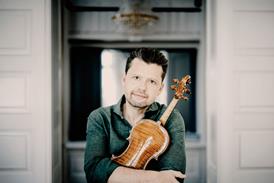
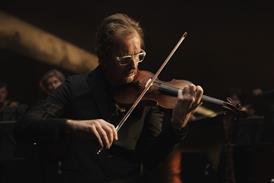

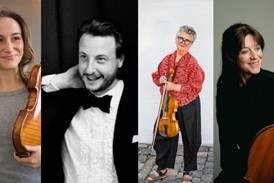



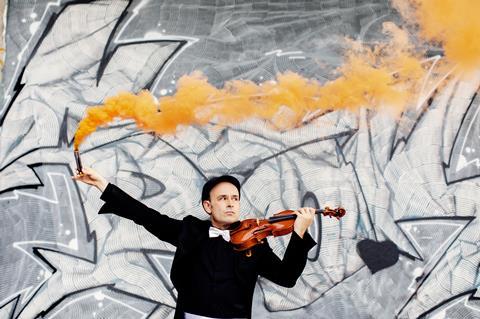
The Vienna-based violinist on his formative influences and the importance of venturing outside the norm
Discover more Featured Stories like this in The Strad Playing Hub.
Read more premium content for subscribers here
I like to say that my parents first asked me if I wanted to become a musician shortly before I was born! I grew up in an extremely musical household and remember crawling under the piano and listening to the sounds – it was like a cave of music. When I attended the Yehudi Menuhin School in London, it was magical to be around these other weird little kids also doing music at a very high level. And even in today’s terms, it was astounding how diverse our influences were. The school’s record collection included everything from Indian music to Irish folk, and I remember a composition teacher bringing us Bohemian Rhapsody to analyse alongside Bach. All musical styles are innately interconnected.
No one was more influential than Menuhin himself. I remember a lesson in which he went off on a tangent about trees and violinists. At the time I didn’t understand how it related to my technique, but it is telling that this is what I still remember to this day, instead of specific technical advice. This openness made me realise how holistic it is to be an artist. Playing an instrument has the potential to give you an extraordinary amount of happiness. But somehow as humans we’ve been able to turn it into a world of pain! Let’s not forget the beautiful, even transcendental, side of this art.
Technique is still important and you need a solid base to produce the sounds you want. This isn’t something you can do with talent alone. And even for the few who can play instinctively, it can come at the cost of physical health because of bad technique. A meticulous approach gives you the necessary athleticism to maintain a professional level and schedule.
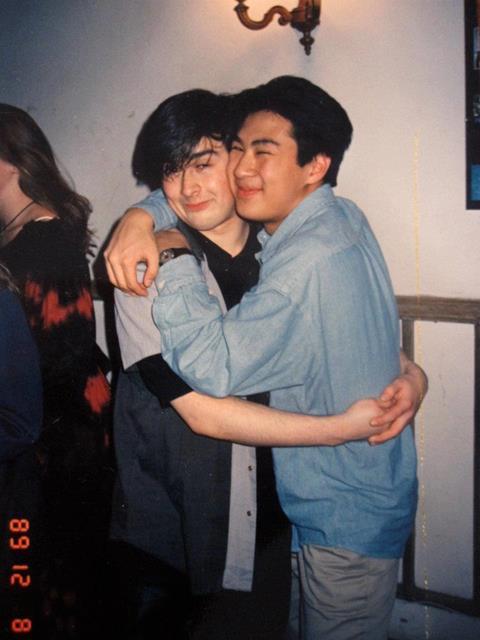
We had a lot of encouragement from those around us when we began Igudesman & Joo. I think it was because we never made fun of classical music but rather we had fun with it. This integrity was incredibly important to us. It can be dispiriting to see that these ‘outside the box’ acts are still not normalised today. ‘Special’ concert formats are usually labelled as such and act as box-ticking, rather than being integrated into traditional formats. We always hear ‘we need to attract more young people’ but it’s so often just talk. There need to be structural changes. What if every concert had a surprise young soloist? Or why not get those who have had a genuine impact, such as TwoSet Violin or Abel Selaocoe, to act as consultants for concert venues? The knowledge is there; we just need to harness it.
Compose music, even if just for yourself. You’ll understand other works much better because every composer, even Mozart, had to go through the same process: you take a piece of paper, think of a tune, choose an instrument, and elaborate on it. And sometimes things aren’t so obvious, even to the composer. The fully formed piece didn’t just fall out of the heavens! So when you interpret works, you need to go beyond the notes. Find what they really mean to you.
INTERVIEW BY RITA FERNANDES
Read: Sentimental Work: Violinist Aleksey Igudesman on Schumann’s Piano Quartet
Listen: The Strad Podcast #91: ‘The Music Critic’ with violinist Aleksey Igudesman
Discover more Featured Stories like this in The Strad Playing Hub.
Read more premium content for subscribers here
The number one source for playing and teaching books, guides, CDs, calendars and back issues of the magazine.
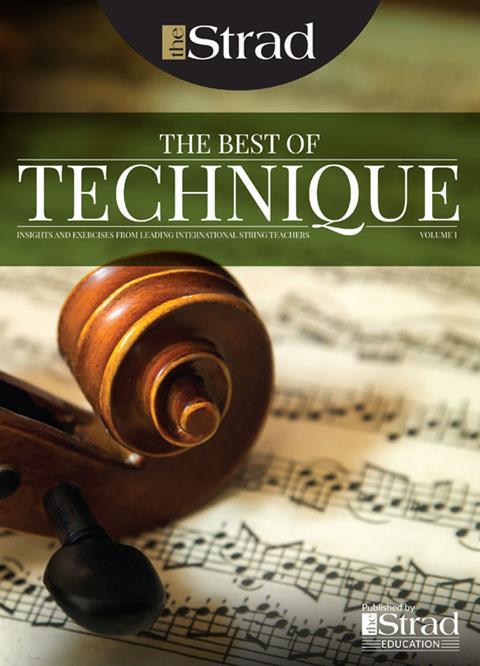
In The Best of Technique you’ll discover the top playing tips of the world’s leading string players and teachers. It’s packed full of exercises for students, plus examples from the standard repertoire to show you how to integrate the technique into your playing.
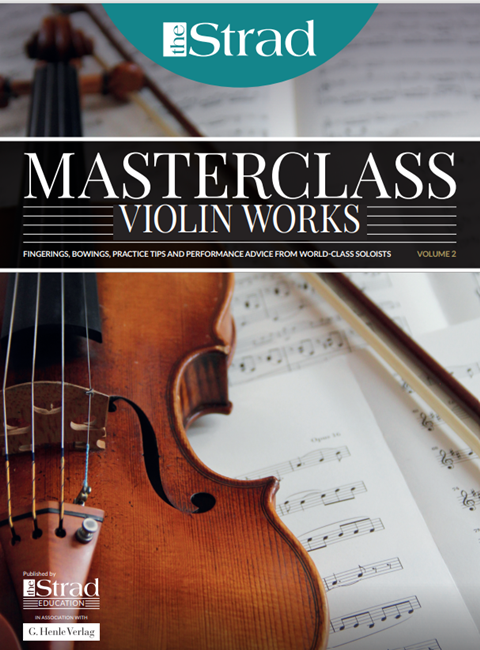
In the second volume of The Strad’s Masterclass series, soloists including James Ehnes, Jennifer Koh, Philippe Graffin, Daniel Hope and Arabella Steinbacher give their thoughts on some of the greatest works in the string repertoire. Each has annotated the sheet music with their own bowings, fingerings and comments.
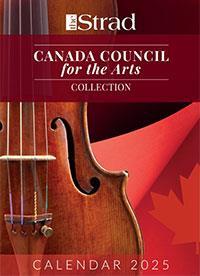
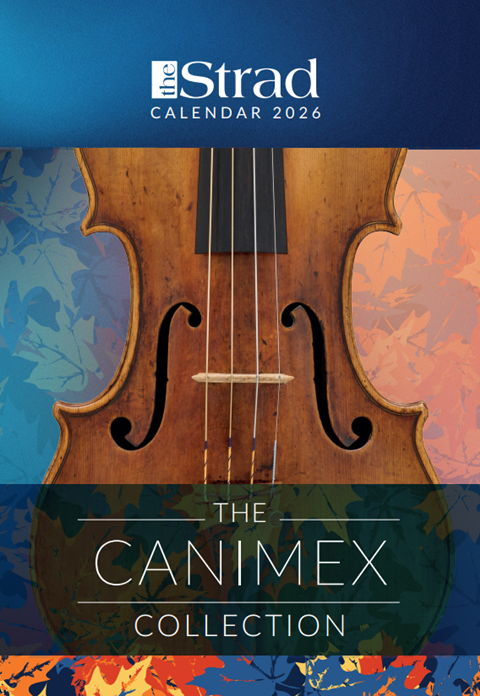
The Canada Council of the Arts’ Musical Instrument Bank is 40 years old in 2025. This year’s calendar celebrates some its treasures, including four instruments by Antonio Stradivari and priceless works by Montagnana, Gagliano, Pressenda and David Tecchler.







No comments yet