



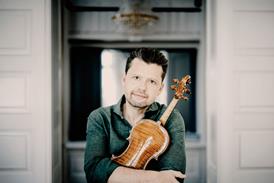






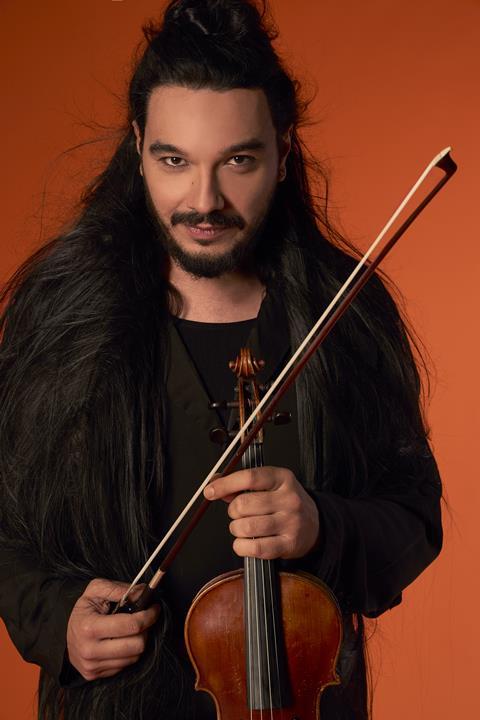
The Serbian–French violinist on going deeper into the music and remaining true to yourself
Discover more Featured Stories like this in The Strad Playing Hub.
Read more premium content for subscribers here
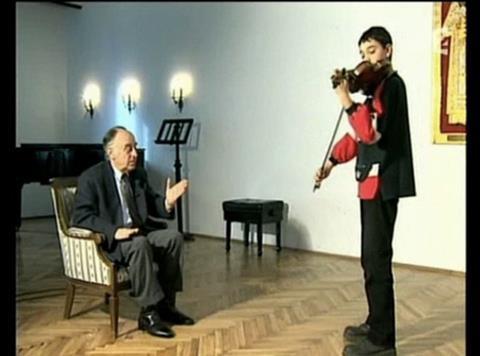
I was incredibly lucky to start learning the violin with Dejan Mihailović, who taught at the University of Arts in Belgrade. He gave a lot of trust to his students to explore and find their own voice. I always remember him saying, ‘Go deeper.’ I didn’t quite understand it as a seven-year-old, but it has stuck with me since. It’s about delving further into the music and interpretation, and taking risks. He would also suggest practising after concerts to take advantage of the heightened adrenalin and enthusiasm in that state of mind. It allows you to think very clearly and fix things in your playing – even if just for 15 minutes.
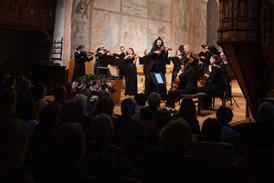
Mihailović had a weekly series of concerts in which his students played frequently. Having these repeated opportunities to play for an audience was the best way to approach performance and meant there was no fear associated with it. You learn the most when you’re on stage. And ultimately, a musician cannot exist without an audience. Of course, we practise for the love of the music, but when you are performing, you are gifting something to those in front of you.
When I was 14 my family left Belgrade for Paris, where I studied with Patrice Fontanarosa. Although I only stayed with him for two years, his teaching was life-changing. I was coming from a context of war in Serbia and then experienced this completely different approach to playing and teaching, filled with beauty and freedom. It was incredibly powerful to see someone with such a love for life, and who used this to be inspired musically.
A particularly strong memory with him was when I was preparing a Paganini concerto. I wasn’t too keen on it, given how many Paganini etudes I had played in Serbia! So he told me not to practise for a few weeks, and only to sing my part. I did it, and when I came back to the piece, everything was so easy. My fingers knew what to do. It became about the spirit and energy of the music. This detachment from the instrument gave me a lot of freedom, and it was something I also experienced when collaborating with other musicians, whether they were pianists or singers. You don’t need to think about how to make the sound any more; you concentrate only on the music.
My experience performing in competitions made me realise the importance of presenting oneself honestly. You must find a way to be completely convincing and still remain yourself. And if one particular jury or audience doesn’t like it, then another will. Our profession is filled with beautiful surprises – unexpected connections with other people and musicians. And being completely yourself will allow these things to happen organically and authentically. Remember to find and keep the joy in playing. Think about the beauty of what you’re doing. Music is a way to express all the secrets inside that you don’t speak out loud.
INTERVIEW BY RITA FERNANDES
Read: Session Report: Nemanja Radulović on the sunny side of Bach
Read: ‘A piece that challenges, inspires and rewards’: Nemanja Radulović on Beethoven’s Violin Concerto
Discover more Featured Stories like this in The Strad Playing Hub.
Read more premium content for subscribers here












No comments yet