







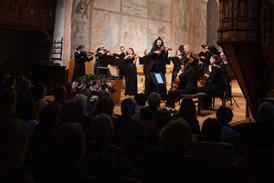


Anne Inglis reads through Hannah French’s account of the composer’s ever-popular Four Seasons, which covers everything from birdsong to Cremonese violin making
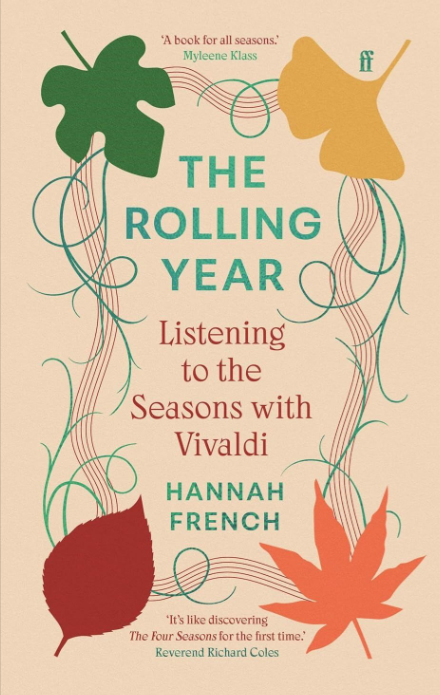
The Rolling Year: Listening to the Seasons with Vivaldi
Hannah French
368PP ISBN 9780571391998
Faber & Faber £20
‘How could there be anything left to say about Vivaldi’s Four Seasons?’ was my first thought on being asked to review this fascinating exploration. Hannah French’s extensive notes acknowledge the huge pile of relevant literature out there, even if this cleverly written diary isn’t principally for an academic readership.
She combines interviews and research to shed light on the historical and locational context of Vivaldi, while also reflecting on her own physical difficulties in accessing some of her chosen venues (she uses a wheelchair), and demonstrating an ability to combine scholarship with a detailed approach to more modern pursuits that applies to the world that Vivaldi might have heard.
There is analysis of birdsong, an exploration of Vivaldi’s world of wine (what might have been in his cellar), and a forensic examination of the extreme contemporary seasonal occurrences of drought, cold and floods, including the effects on his health.
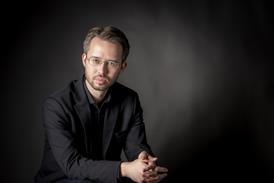
We know the author in her role as a BBC Radio 3 announcer, a Baroque specialist and presenter of the Early Music Show. She has all the credentials to carry out this serious but approachable exploration, and manages the leap between Vivaldi’s world and her own contemporary and personal reflections with ease and skill; the result is very readable.
She begins by setting out some background, notes that little is known of Vivaldi’s life and that the original manuscript is lost, and offers guidance on how to listen actively. She shows how the keys were chosen with ‘deep-rooted musical and emotional associations’, creating balance. The Rolling Year then rides along. Sometimes French travels in a straight line, exploring the influences, sounds, circumstances and places that would have affected the composition; elsewhere, she goes on productive excursions, following different trains of thought.
It is these that bring the book to life, giving it an almost autobiographical character. She talks to experts – mostly friends from a wide circle of contacts – ranging from an exploration of the birds heard throughout the cycle with ornithologist Tom McKinney (a fellow Radio 3 presenter) to an unusually revealing interview with violinist Rachel Podger.
My favourite chapter is the one on recordings – it’s not just a list, but imaginatively divided descriptions, such as ‘Rock Star Vivaldi’, ‘Period Drama Vivaldi’, ‘Free Spirit Vivaldi’. This research is almost a history of violin playing in a nutshell – fascinating, thoughtful, detailed.
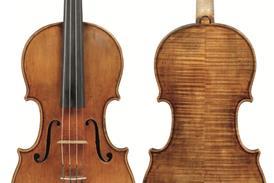
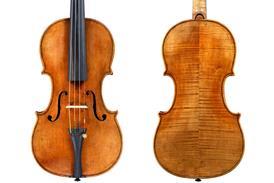
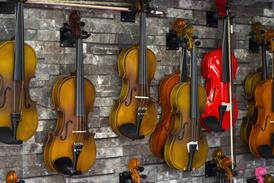
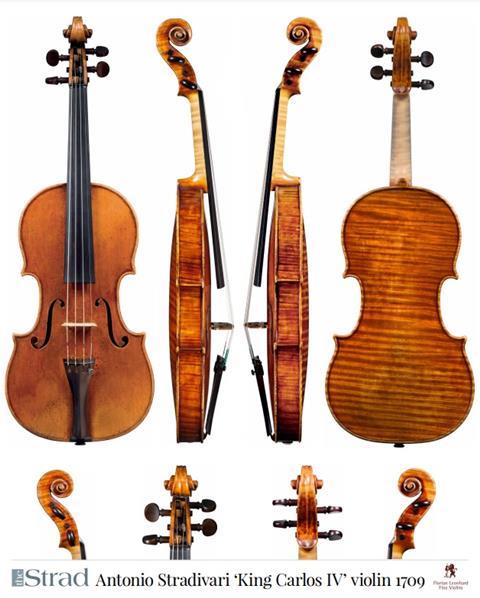
The extraordinary legacy of Cremonese violin making is covered in ‘Winter’, with a short exploration into perhaps the one positive result of the three terrible winters of 1684, 1709 and 1716 – did the wood mature more slowly in the Po Valley during this ‘little ice age’? This is really as much as we get on instruments of the period, although Rachel Podger explains the strings and the shorter, lighter bow of the time.
French concludes with the discovery of frescoes of the Four Seasons at the Ducal Palace in Mantua (where Vivaldi was employed), tucked under the arches of a remote loggia and ignored by most tourists, but bringing a sense of closure to her quest.
French’s writing is bright, lively and personal; she involves the reader in her journey, and offering encouragement to follow her lead (as I did, coincidentally, in Mantua last summer). I think she will reach a wider readership than is usual for most books about classical music, but it does help to know the Four Seasons well, (there are hundreds of recordings to listen to) as the detail in her analysis responds to more than just peripheral familiarity with the score. Just listen to one of the hundreds of recordings.
ANNE INGLIS







No comments yet