- News
- For Subscribers
- Student Hub
- Playing Hub
- Directory
- Lutherie
- Magazine
- Magazine archive
- Whether you're a player, maker, teacher or enthusiast, you'll find ideas and inspiration from leading artists, teachers and luthiers in our archive which features every issue published since January 2010 - available exclusively to subscribers. View the archive.
- Jobs
- Shop
- Podcast
- Contact us
- Subscribe
- School Subscription
- Competitions
- Reviews
- Debate
- Artists
- Accessories

Join us at Mondomusica Cremona, 2–4 October at Cremona Exhibition Centre!
Meet The Strad team at stand 269 and pick up your free copy of the magazine.


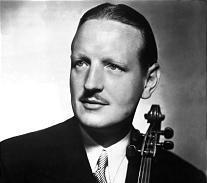











‘Let it happen’: Kató Havas’s teaching philosophies
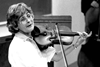
Kató Havas’s teaching remains widely admired but is still often misunderstood. Clifford Hall revisits the debates around her methods to reveal a more nuanced picture of her legacy
The Hungarian violinist Kató Havas was 18 years old when she made her US debut at Carnegie Hall on 10 October 1939. Reviewing the performance for the New York Times, a critic identified only as ‘G.G.’ spent the column calling her ‘Miss Kato’ – her first name, not her surname (in Hungarian, family names come first). They also got her age wrong by a year. Then, having warmed up, G.G. concluded that she had played with ‘more zest than understanding’. This would not be the last time; Havas spent a lifetime being misunderstood…
Already subscribed? Please sign in
Subscribe to continue reading…
We’re delighted that you are enjoying our website. For a limited period, you can try an online subscription to The Strad completely free of charge.
* Issues and supplements are available as both print and digital editions. Online subscribers will only receive access to the digital versions.
Keep informed